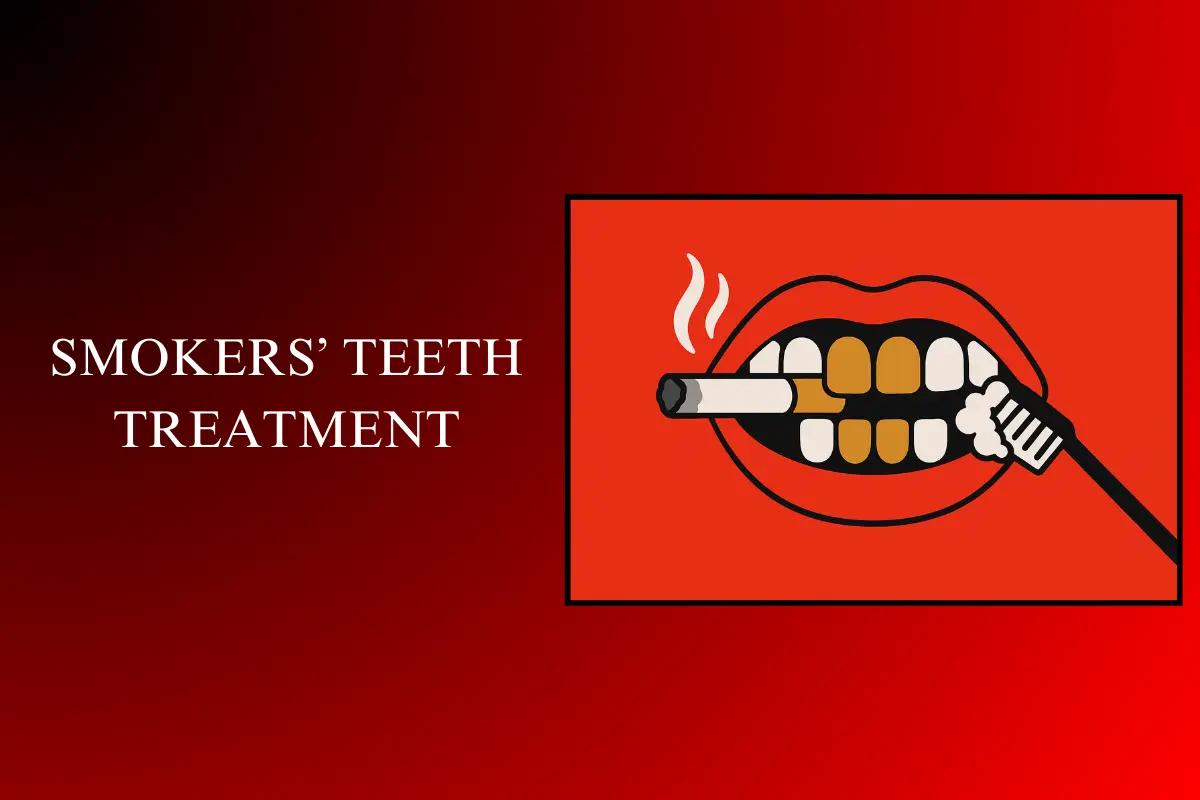
If you smoke, you already know the effect it has on your teeth: staining, yellowing, tartar buildup, bad breath, and sometimes sore or shrinking gums. A lot of smokers in UK feel embarrassed about their smile — but the truth is, you’re not alone, and most smoking-related dental problems can be treated.
Whether you smoke occasionally, regularly, or have recently switched to vaping, there are proven ways to brighten your teeth, remove nicotine stains, and get your gums back on track.
This guide covers the best smokers’ teeth treatments, how they work, which ones get the fastest results, and what to do if symptoms turn into a dental emergency. Definitely, Night and Day Emergency Dentist are the right way for UK Humans. However! we are available 24/7 urgent online emergency serving | in much Areas of UK
Short Summary
- Smoking and vaping cause distinct dental issues, including deep tar staining, persistent bad breath, and a significantly higher risk of gum disease.
- Professional Airflow stain removal is one of the fastest ways to blast away stubborn brown nicotine deposits that standard brushing cannot reach.
- For deeper discolouration, treatments like laser whitening, composite bonding, or porcelain veneers can provide a permanent cosmetic transformation.
- Gum health is a priority for smokers; regular “Scale & Polish” sessions are essential to prevent the bone loss and tooth mobility associated with smoking.
- Most smoking-related stains can be dramatically improved in just one visit, helping patients in UK regain their smile confidence.
What Are the Most Effective Smokers’ Teeth Treatment Options?
Here are the treatments that actually work — ranked from the simplest to the most transformative, depending on how severe the staining or gum damage is:
-
Professional Scale & Polish (Basic but Essential)
A standard hygiene clean removes plaque, tartar, and light nicotine stains. It’s the first step for every smoker because it prepares the teeth for any further whitening or cosmetic treatment. Most patients see a fresher, cleaner look immediately after.
-
Airflow Stain Removal (Best for Heavy Tar Stains)
Airflow uses a powerful jet of air, warm water, and fine powder to blast away deep brown nicotine and tar stains. It reaches areas traditional cleaning often misses, such as between teeth and around the gumline. This is one of the fastest and most dramatic improvements for smokers.
-
Professional Teeth Whitening (For Deeper Yellowing)
Laser whitening or dentist-supervised whitening trays lift the tooth shade several levels. Whitening works best after a cleaning or Airflow session, once surface stains and plaque are removed. It’s ideal for smokers wanting an overall brighter smile.
-
Composite Bonding (For Stains Whitening Cannot Remove)
If stains have penetrated deep into the enamel, composite bonding can cover discolouration and reshape the tooth surface. It also repairs chipped or worn-down edges caused by smoking or grinding. Composite Bonding gives instant results and is more affordable than veneers.
-
Porcelain Veneers (Most Transformative Cosmetic Option)
Veneers mask severe intrinsic stains, long-term nicotine discolouration, and enamel damage. They provide a long-lasting white, uniform appearance that does not stain easily. This option is ideal for smokers wanting a permanent cosmetic transformation.
-
Gum Disease Treatment (For Receding or Bleeding Gums)
Smoking increases the risk of gum disease, so many smokers require periodontal treatment such as deep cleaning or root surface debridement. This treatment reduces inflammation, improves gum health, and helps stabilise loose teeth. Regular maintenance (every 3 months) is often recommended.
-
Lifestyle Modifications (Supportive but Important)
Cutting down cigarettes, switching to lower-tar options, staying hydrated, and using fluoride toothpaste all help slow future staining. These habits won’t reverse damage on their own, but they keep results lasting longer. Quitting or reducing smoking also improves healing after dental treatments.
What Are the Best At-Home Treatments for Smokers’ Teeth?
Which Toothpaste Is Best?
- Whitening toothpaste
- Fluoride for enamel strength
- Avoid harsh abrasives and excessive charcoal pastes
Do Whitening Strips Work?
Yes, but results vary. Smokers may need longer use or professional treatments for a noticeable change.
What Diet Changes Help?
- Reduce tea/coffee
- Drink water after smoking
- Chew sugar-free gum to increase saliva
Are Natural Remedies Safe?
Avoid lemon, vinegar, or aggressive baking soda — they erode enamel.
How Long Does Smokers’ Teeth Treatment Take?
Smokers’ Teeth Before and After Treatment: What Results Can You Expect?
- Surface stains → removed in one visit
- Deep tar stains → greatly reduced with Airflow
- Gum swelling → improves with deep cleaning
- Dark, uneven colour → improved with whitening or veneers
Consistency is key for long-lasting results.
How Much Do Smokers’ Teeth Treatments Cost in the UK?
(In UK average ranges These are typical ranges, not guarantees. Seek urgent help if you experience: These may be early signs of gum disease or infection If you’re dealing with: Night and Day Emergency Dentist can help you the same day. We offer: Our approach is non-judgemental, supportive, and focused on getting you out of pain fast.
How to Prevent Smokers’ Teeth From Returning
When Do Smokers’ Teeth Symptoms Become a Dental Emergency?
Why Trust Night and Day Emergency Dentist for Smoking Damage Repair?
Smokers’ Teeth: Risks vs Treatment Options (Comparison Table)
Problem
Cause
Treatment
Price Range
Immediate?
Yellow stains
Tar/nicotine
Airflow, whitening
£70–£350
✔
Tartar buildup
Smoke + plaque
Scale & polish
£60–£120
✔
Gum disease
Low blood flow
Deep cleaning
£180–£600
✖
Deep stains
Enamel saturation
Veneers/bonding
£150–£900
✔
Bad breath
Dry mouth
Cleaning + hygiene plan
£60–£120
✔
Frequently Asked Question
Conclusion
Smokers’ teeth can affect your confidence — but with the right treatment, you can dramatically improve your smile. Professional cleaning, Airflow, whitening, and restorative options can all make a visible difference, often in just one appointment.
You don’t need to quit smoking before starting treatment (though it helps). What matters most is taking the first step toward healthier teeth and gums.
If you’re in UK and ready to improve your smile — or need urgent help — booking a dental visit now can prevent small problems from becoming bigger ones.