The moment the dentist finishes your procedure, a complex biological “repair programme” begins inside your mouth. While the surgery itself is over in minutes, the tooth extraction healing stages take place over weeks and even months. For most patients, the anxiety doesn’t happen in the chair, it happens at home, three days later, wondering if that “white stuff” or “dull throb” is a sign of progress or a complication.
At Night and Day Emergency Dentist, we believe that understanding the timeline of your recovery is the best way to manage post-operative anxiety. | 24/7 urgent online emergency services across UK Local Clinics.
This guide breaks down exactly what is happening inside the location of your socket, what you should see in the mirror, and how to ensure your healing stays on track.
Short Summary
- Tooth extraction recovery is a multi-stage biological process transitioning from a vulnerable open wound to full bone regeneration over several months.
- The first 24 hours are critical for forming and protecting the blood clot; avoiding suction from straws, smoking, or spitting prevents a painful dry socket.
- Discomfort, jaw stiffness, and swelling naturally peak around Day 3 as the body’s inflammatory cleanup response reaches its maximum intensity.
- A white or yellowish film inside the socket between Days 4 and 7 is typically normal granulation tissue, signaling active healing rather than an infection or pus.
- While the soft gum tissue closes the visible gap within two weeks, the underlying jawbone requires three to six months to reach maximum structural density.
Healing at a Glance: The Recovery Milestones
To satisfy your immediate need for information, here is a summary of the tooth extraction healing stages and what to expect regarding pain and activity.
Tooth Extraction Recovery Summary Table
| Factor | Enlighten Evolution | Standard Pro Whitening | OTC Whitening Kits |
|---|---|---|---|
| Guaranteed Result | Yes (VITA Shade B1) | No (Varies by patient) | No |
| Sensitivity Level | Very Low (Anti-sensitivity swabs) | Moderate to High | Variable / Unpredictable |
| Treatment Time | 15 Days (Home + Clinic) | 1–2 Hours (In-chair only) | Weeks to Months |
| Dietary Rules | None (No “White Diet” required) | Strict (Avoid coffee/red wine) | Strict restrictions |
| Long-Term Effect | Permanent (With maintenance) | Fades within 6–12 months | Short-term improvement |
Phase 1: Why are the First 24 Hours the Most Crucial?
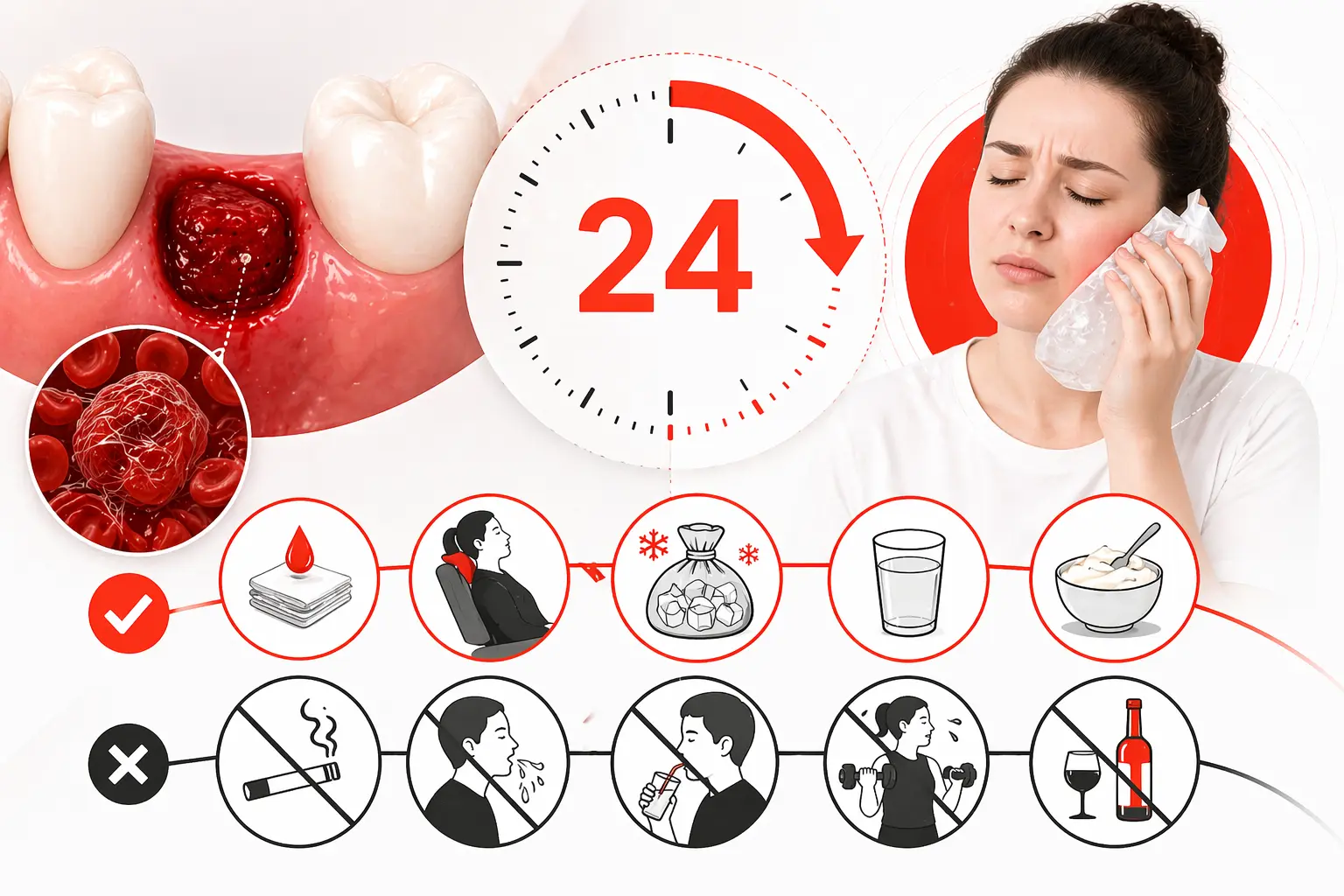
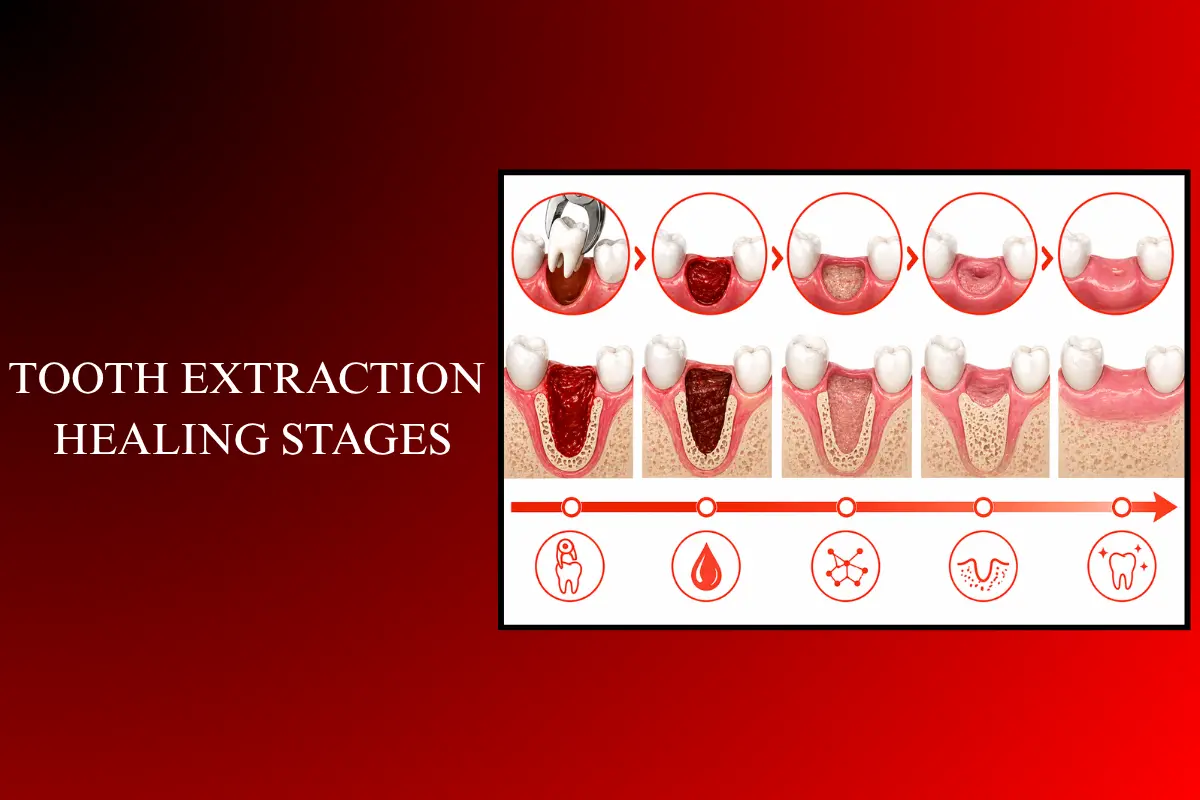
The first stage of healing is all about stabilization. Within minutes of the tooth being pulled, your body begins to form a blood clot in the empty socket.
- The Protective Scab: This clot acts as a biological “bandage,” protecting the underlying bone and nerve endings.
- What you must do: Avoid anything that creates suction (straws, smoking, spitting). If this clot is dislodged, you will experience Dry Socket, a painful condition where the bone is exposed to air and food.
- What it looks like: The socket will look dark red or deep purple.
Phase 2: Why is Day 3 the Worst After Tooth Extraction?

It is a common surprise for patients that they feel worse on the third day than they did on the first. This is because your body has reached the peak of the inflammatory phase.
- Swelling Peak: Your white blood cells are flooding the area to clean up debris and prevent infection. This causes the most significant swelling and “stiffness” in the jaw.
- The “Dull Throb”: A steady, manageable throb is normal. However, if the pain is sharp and radiating toward your ear, it may be a sign of a complication.
- Instruction: Continue using cold compresses on the outside of your face and stick strictly to the tooth extraction healing stages diet of soft, lukewarm foods.
Phase 3: What is the “White Stuff” Inside The Socket?
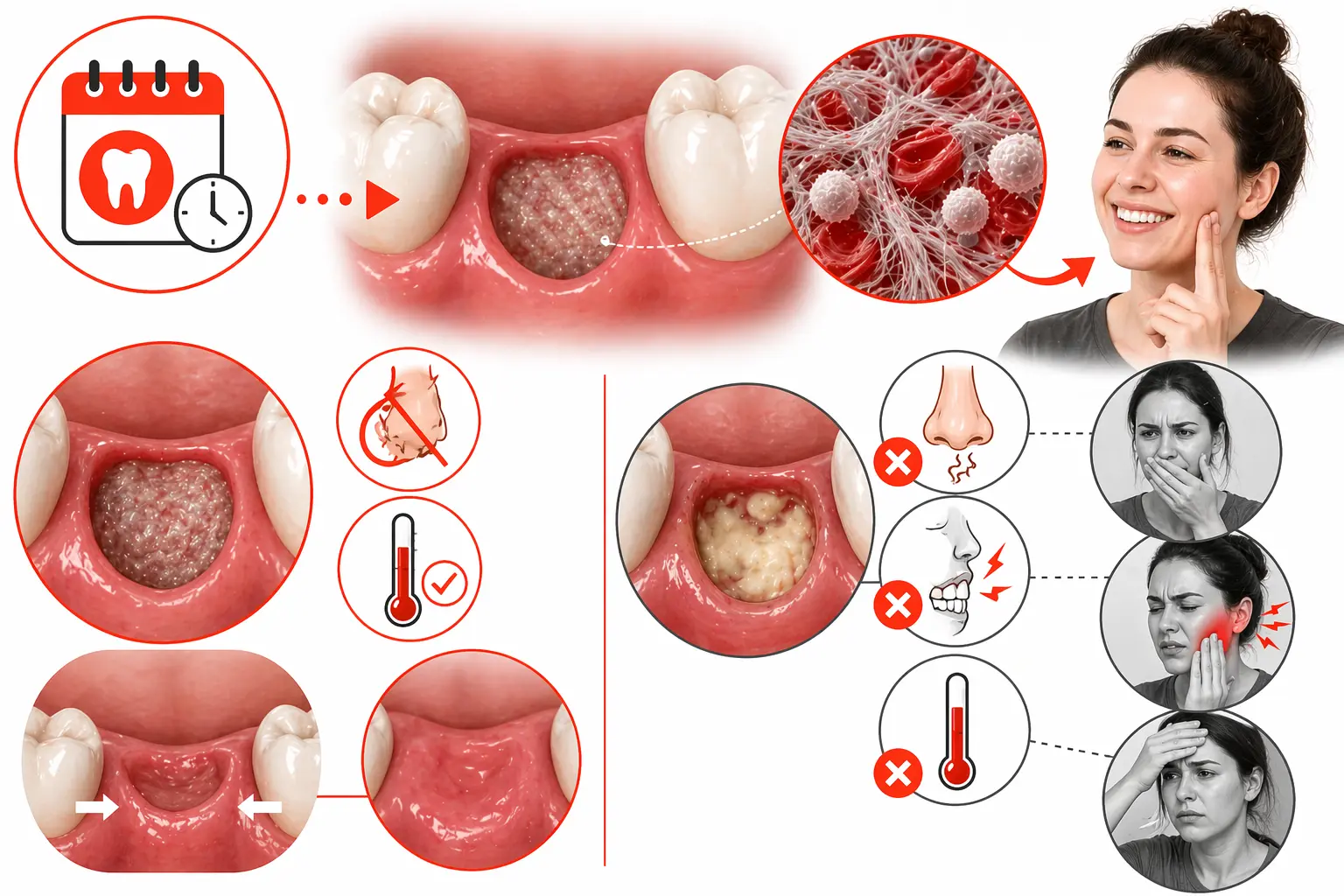
Around days 4 to 7, many patients panic when they see a white or yellowish film inside the hole.
- Granulation Tissue vs. Pus: In 99% of cases, this is granulation tissue. It is made of collagen, new blood vessels, and white blood cells. It is a sign that your body is building new tissue to fill the gap.
- How to tell the difference: Granulation tissue does not smell and isn’t accompanied by a fever. Pus, on the other hand, is usually associated with a foul taste, bad breath, and increasing pain.
- Gum Growth: You will notice the edges of the socket beginning to “pull together” as the soft tissue starts to close over the hole.
Phase 4: When Does the Socket Finally Close?
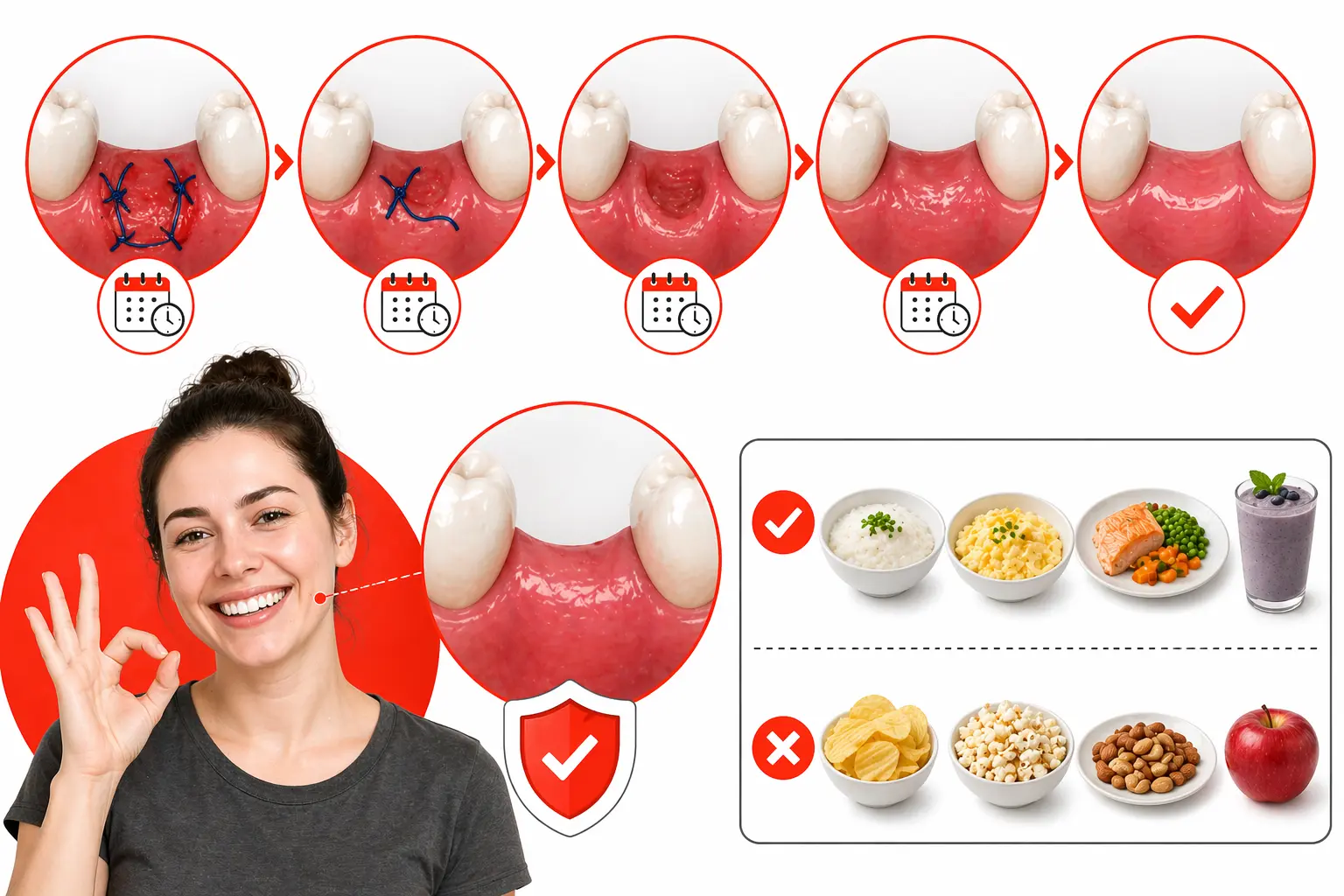
By the end of the second week, the tooth extraction healing stages transition from “vulnerable” to “stable.”
- Stitches Dissolving: If you had sutures, they usually begin to fall out or dissolve around day 10 to 14.
- Eating Normally: You can usually begin to move away from purely soft foods, though you should still avoid sharp items (like crisps) that could poke the new, delicate gum tissue.
- Socket Closure: While the hole may still be visible as a small indentation, the “open wound” aspect is gone, significantly reducing your risk of infection.
Phase 5: How Long Does the Bone Take to Heal?
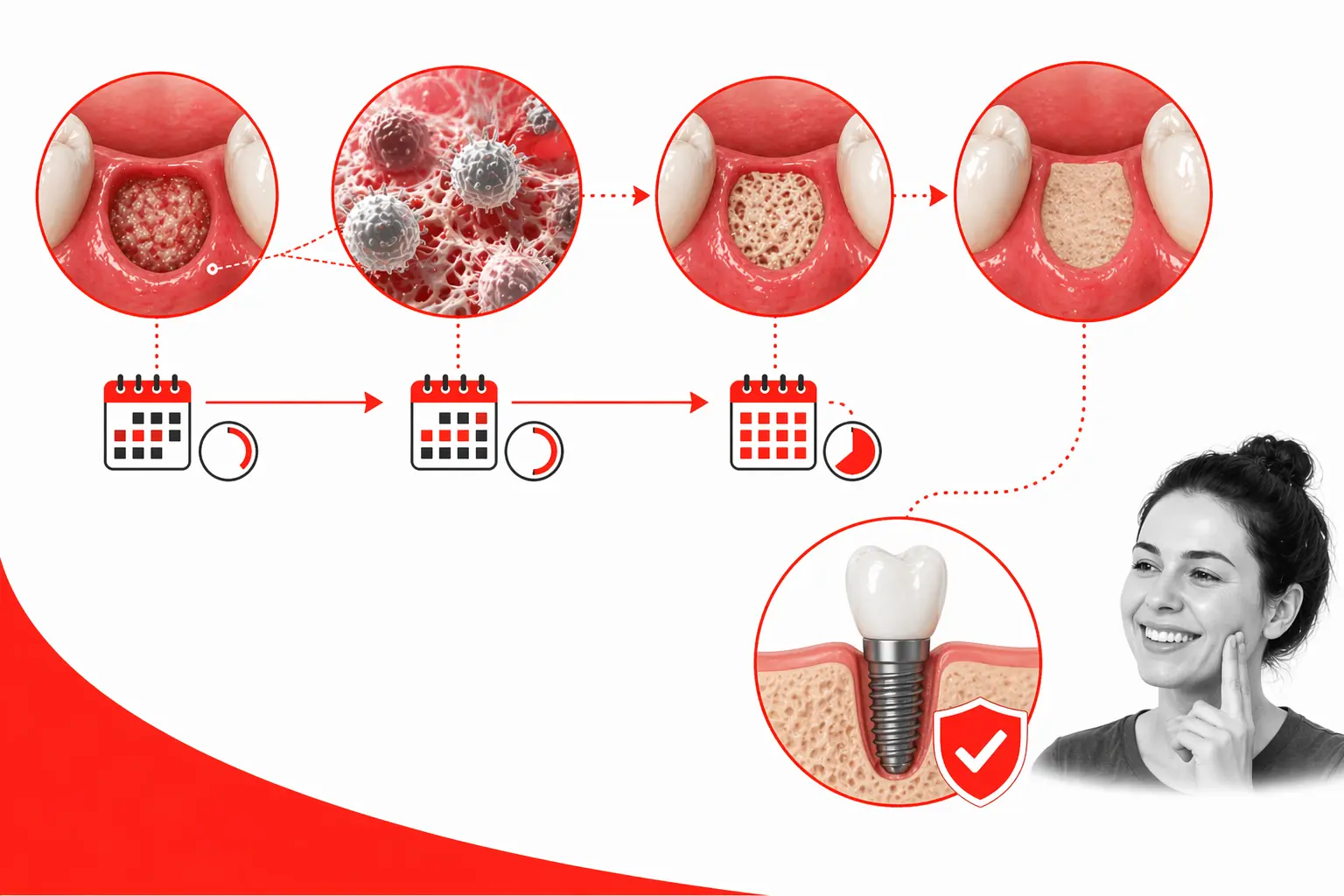
While you may feel 100% better after three weeks, the tooth extraction healing stages under the surface continue for months.
- Osteoblastic Activity: Cells called osteoblasts are busy filling the socket with new bone.
- Structure Restoration: After about 3 months, the socket is filled with new bone, though it won’t reach maximum density until around month 6.
- Implant Readiness: If you are planning a dental implant, this is the stage where your dentist will assess if the bone is strong enough to support the new root.
How Do You Know if a Tooth Extraction is Healing Properly?
To ensure your recovery is going well, look for these “Green Light” signals:
- Pain that decreases slightly every day after day 3.
- Swelling that begins to subside after 72 hours.
- The transition from a dark red socket to a white/pink tissue covering.
- The ability to open your mouth wider each day without discomfort.
Fastest Way to Heal: Tips for Accelerating Your Recovery
While you can’t rush biology, you can prevent delays. Follow these expert tips to move through the tooth extraction healing stages as fast as possible:
- Saltwater Rinses: Starting 24 hours after surgery, gently bathe the area in warm salt water. This kills bacteria without the harsh chemicals of mouthwash.
- Elevate Your Head: Sleeping with an extra pillow for the first 48 hours reduces blood pressure in the head, which lessens throbbing and swelling.
- Priorities Protein: Your body needs amino acids to build new tissue. Smoothies with protein powder or soft scrambled eggs are excellent recovery fuels.
Why Choose Night and Day Emergency Dentist for Post-Op Concerns?
A tooth extraction can be a nerve-wracking experience, especially during the first few days of recovery. At Night and Day Emergency Dentist, we don’t just “pull the tooth” and send you on your way.
- Comprehensive Aftercare: Dedicated support to help you navigate every stage of the tooth extraction healing process with confidence.
- Expert Complication Management: Specialized assistance for specific concerns such as dry socket or stitches loosening too early.
- Healing Reassurance: Professional guidance to ease your worries, including confirming when “white stuff” (normal granulation tissue) is a healthy sign of repair.
- Smooth Recovery: Clinical oversight designed to make your healing journey as pain-free and seamless as possible.
Frequently Asked Questions
Conclusion
The tooth extraction healing stages require time and respect for your body’s natural limits. From the formation of the initial clot to the final maturation of the jawbone, each phase plays a vital role in your long-term oral health. By following your dentist’s instructions, maintaining gentle hygiene, and knowing the difference between normal granulation tissue and a red-flag infection, you can ensure a complication-free recovery.
If at any point your pain increases rather than decreases, or if you feel something is “off,” please contact us immediately. At Night and Day Emergency Dentist, we are available 24/7 to provide a professional assessment and peace of mind during your recovery.