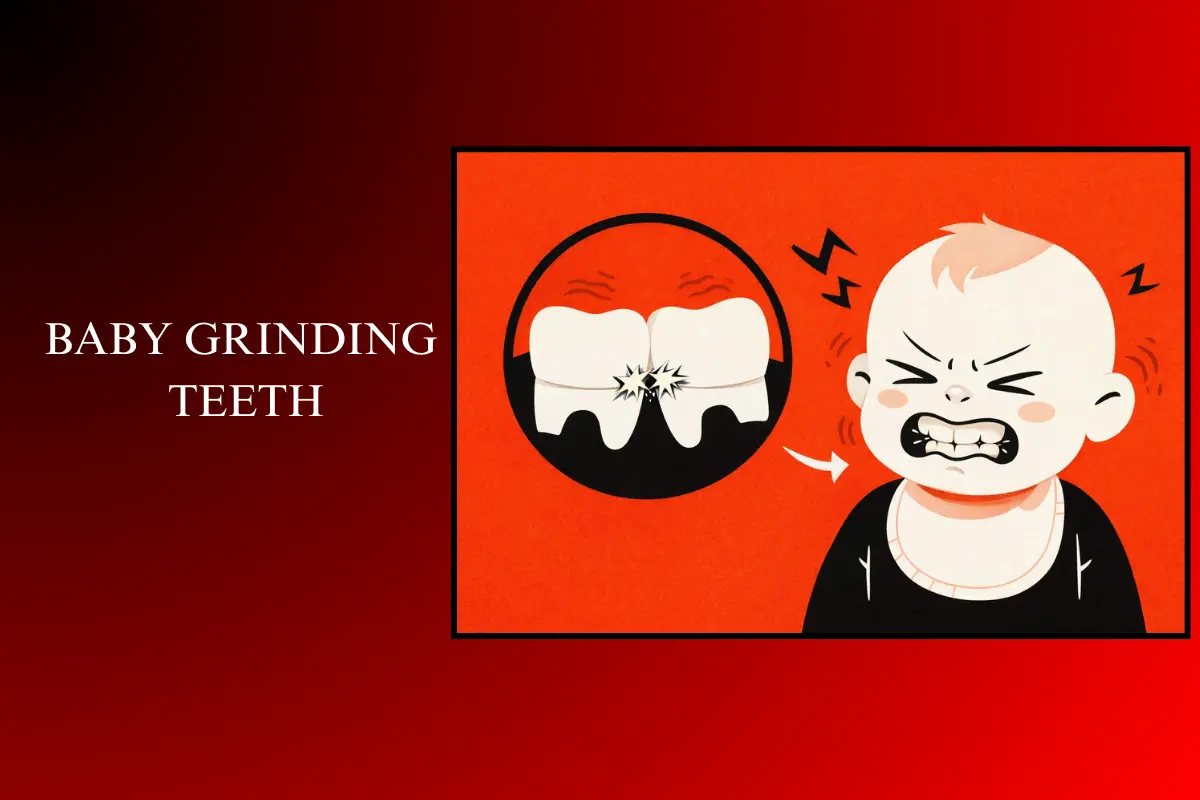
Hearing the sound of your baby grinding teeth (medically known as bruxism) can be a spine-chilling experience for parents. That distinctive “sandpaper” sound often happens while they are fast asleep, leading many parents in Manchester and Leeds to worry that their little one is damaging their brand-new pearly whites.
At Night and Day Emergency Dentist, we receive many calls from concerned families across West Yorkshire and Greater Manchester asking if this behavior is a dental emergency. While it sounds alarming, it is often a normal part of development. However, knowing when it signals a deeper issue is vital for your child’s oral health.
Short Summary
- Baby teeth grinding (bruxism) is a common developmental habit affecting up to 30% of children, often starting when the first teeth or molars emerge.
- Most infants grind their teeth to soothe teething discomfort, explore their new bite, or relieve pressure from earaches and colds.
- While usually temporary, chronic grinding can lead to enamel wear, jaw sensitivity, or future alignment issues if the habit persists.
- Parents can help manage the habit with cold teething toys, calming bedtime routines, and ensuring proper hydration throughout the day.
- You should consult a dentist in Manchester or Leeds if you notice flattened or chipped teeth, or if your child shows signs of jaw pain while eating.
Why is My Baby Grinding Teeth?
If you’ve noticed your baby grinding teeth, you aren’t alone. It is estimated that up to 30% of children experience some form of bruxism. In infants, the habit usually starts around the time their first teeth emerge or when their molars begin to transition.
The primary reasons for this behavior include:
- Teething: As new teeth break through the gums, babies may grind to soothe the discomfort or “test” the new sensations in their mouths.
- Bite Alignment: Often, babies grind because their top and bottom teeth don’t meet comfortably yet.
- Pain Relief: If a child has an earache or a cold, they might grind their teeth to ease the pressure in the jaw and ear canal.
- Stress or Anxiety: Even in young children, changes in routine, perhaps starting a new nursery in Leeds or moving house in Manchester can lead to tension-related grinding.
Comparing Normal Grinding vs. Dental Concerns
Not all grinding is the same. To help you determine if you need to book an appointment at one of our clinics, use this comparison table.
Baby Grinding Teeth: Normal vs. Emergency Symptoms
| Feature | Normal Development | Potential Dental Issue |
|---|---|---|
| Timing | Occurs mostly during naps or at night. | Constant grinding throughout the day. |
| Pain | The baby seems happy and eats normally. | Baby cries while eating or touches their jaw. |
| Tooth Appearance | Teeth look white and sharp. | Teeth look flattened, chipped, or yellow (dentin). |
| Gum Health | Gums are pink and healthy. | Gums look red, swollen, or are bleeding. |
| Duration | Comes and goes with teething phases. | Habit persists for several months without stopping. |
The Risks of Chronic Bruxism in Infants
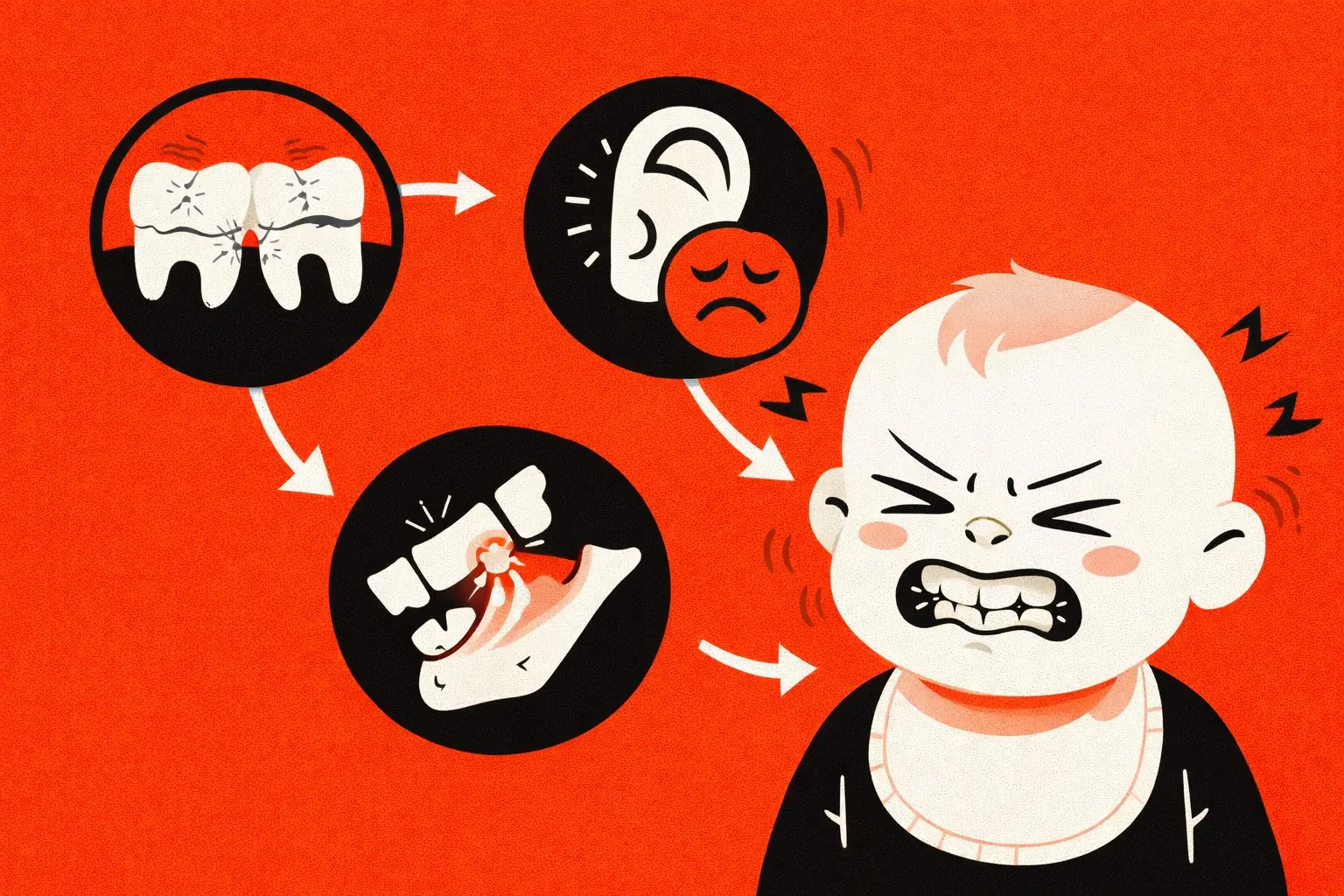
While most children outgrow the habit of baby grinding teeth by the age of six, persistent grinding can lead to complications that our Manchester and Leeds dentists frequently treat:
-
Enamel Wear
Constant friction can wear down the protective enamel. If the grinding is severe, it can expose the “dentin” (the sensitive inner layer), making the child’s teeth sensitive to cold milk or food.
-
Jaw Pain and Headaches
Just like adults, babies can wake up with a “sore face.” This is caused by the muscles in the jaw overworking during the night, which can lead to irritability and poor sleep patterns.
-
Future Alignment Issues
If the grinding is caused by a misalignment (malocclusion), it can affect how the permanent adult teeth eventually come through. Early intervention at our Leeds or Manchester surgeries can prevent more complex orthodontic work later in life.
How to Help Your Baby Stop Grinding
If you are worried about your baby grinding teeth, there are several gentle ways to manage the habit at home before seeking professional help:
- Soothing Teething Toys: Provide cold (not frozen) teething rings to give them something safe to chew on besides their own teeth.
- Calming Bedtime Routine: Since stress can be a factor, ensure their bedtime in your Manchester or Leeds home is quiet and relaxing. Try a warm bath or a gentle story.
- Hydration: Some studies suggest a link between dehydration and bruxism. Ensure your little one is getting enough water or milk throughout the day.
- Avoid “Self-Medicating”: Never use mouthguards or “stop-grinding” devices sold online for babies, as these can be choking hazards and interfere with jaw growth.
FAQs: Baby Grinding Teeth
Conclusion
The sound of your baby grinding teeth is usually much worse than the actual damage being done. Most infants will naturally stop once their full set of primary teeth has settled.
However, if you are concerned about wear and tear, or if your child seems to be in pain, Night and Day Emergency Dentist is here for you. We provide a welcoming, stress-free environment for children in Manchester and Leeds, ensuring their first dental experiences are positive ones.