When you’ve just had composite bonding—or you’re thinking about it—you’re probably asking: How many years will this smile makeover actually last? It’s a fair question. The short answer is: it depends. But when you dig deeper, you’ll find there are clear patterns, real-world data and smart habits that can significantly extend the life of your bonded smile.
In this in-depth guide, we’ll walk you through what composite bonding is, what the term lifespan really means, how long you can expect yours to last (and why some last longer than others), the exact habits that help preserve it, signs it’s time for a touch-up, how it stacks up against alternatives, and whether it’s the right choice for you. Let’s dive in.
Short Summary
- Composite bonding typically lasts between 5 to 10 years, though its “aesthetic lifespan” depends heavily on your lifestyle and maintenance habits.
- While the resin is durable, it is more porous than natural enamel, making it susceptible to staining from coffee, tea, and red wine over time.
- Key factors that shorten its lifespan include heavy biting forces on back teeth, nail-biting, and untreated teeth grinding (bruxism).
- Maintenance is simple but essential: non-abrasive toothpaste, regular professional polishing, and wearing a night guard can significantly extend the life of the bond.
- Unlike veneers, composite bonding can often be repaired or “touched up” rather than fully replaced, making it a flexible and cost-effective smile makeover option.
What is Composite Bonding and How Does It Work?
Composite bonding (also called “dental bonding” or “tooth bonding”) is a cosmetic dental procedure where a tooth-coloured resin material is applied, shaped and polished to correct chips, gaps, discoloration or uneven teeth. The resin is matched to your tooth colour, minimally invasive (often no major drilling), and completed in one visit in many cases.
Unlike porcelain veneers or crowns, composite bonding preserves much of your natural tooth structure—this affects both cost and durability (we’ll explain later).
What Do We Mean by “Composite Bonding Lifespan”?
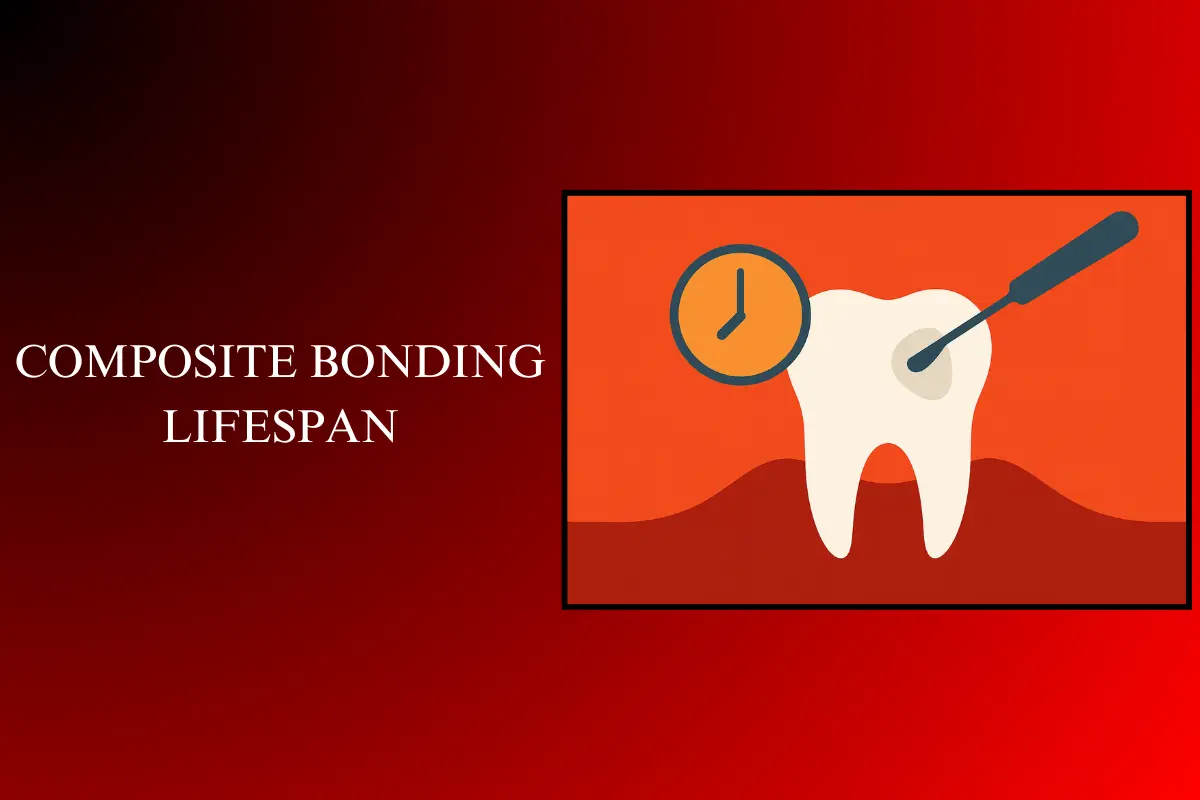
When we say “lifespan” of composite bonding, two things can be involved:
- Structural lifespan – how long the resin remains bonded and intact (i.e., it doesn’t fall off or crack).
- Aesthetic lifespan – how long it looks like new (no visible staining, chipping, colour mismatch).
Many clinics quote ranges like “5-10 years” but what they often mean is the resin remains attached—not that it looks showroom-fresh for the full duration. For example, a respected dental source states bonding material may last between three and 10 years before needing touch-up or replacement.
How Long Does Composite Bonding Last on Average?
Here’s a realistic breakdown of typical longevity:
| Tooth Location | Typical Lifespan | Notes |
|---|---|---|
| Front incisors / canines | 7-10 years | Less biting force, so the resin often lasts at the higher end. |
| Premolars/molar region | 3-5 years | Heavier chewing, more stress → shorter lifespan. |
| General average across mouth | 5-10 years | Assuming good habits, high-quality resin and expert placement. |
Some clinics report 3-5 years as the more realistic lifespan for many patients.
Insight: If you’re told “5-10 years”, ask whether that means “looks new for 5-10 years” or “remains attached 5-10 years”. Understanding the nuance helps set realistic expectations.
What Factors Affect the Lifespan of Composite Bonding?
- Location & biting forces: Teeth at the front are used less for heavy chewing; back teeth face greater stress → shorter lifespan.
- Location & biting forces: Teeth at the front are used less for heavy chewing; back teeth face greater stress → shorter lifespan.
- Oral hygiene habits: Poor brushing or flossing allows plaque buildup and micro-damage, which weakens the bond.
- Lifestyle & diet: Frequent consumption of staining agents (coffee, tea, red wine, curry), smoking or chewing on hard non-food items accelerates wear.
- Existing tooth health: Bonding placed on decaying or heavily filled teeth may fail sooner.
- Maintenance and regular dental check-ups: Interrupting minor issues early (e.g., polishing, minor repairs) helps prolong lifespan.
How Can You Make Your Composite Bonding Last Longer?
Here are proactive habits you can adopt:
- Brush twice daily with a soft-bristled toothbrush and non-abrasive fluoride toothpaste.
- Floss gently once daily; consider interdental brushes around bonded teeth.
- Avoid chewing ice, pens, nails or any hard non-food objects.
- If you grind your teeth (bruxism), ask your dentist about a night guard.
- Limit highly-pigmented/staining foods & drinks (coffee, tea, red wine, berries, sauces). Rinse with water afterward.
- Visit your dentist at least twice a year for check-ups and polishing.
- If you notice rough edges, chips or slight mismatches, schedule a touch-up rather than wait for full replacement.
(Poll idea: “Which habit will you commit to next month to protect your bonded smile?”)
Signs Your Composite Bonding Needs a Replacement or Touch-Up
Keep an eye out for these red flags:
- Visible discolouration or mismatch between bonded tooth and natural teeth.
- Chips, cracks or rough edges on the bonded surface.
- Loss of shine or smooth finish—surface looks “aged”.
- Your bite feels “off” or teeth don’t meet as they used to.
- The bonded area begins to separate or you notice a gap at the margin.
If any of these arise—especially if the issue occurs outside of routine check-up—consider contacting a clinic like Night and Day Emergency Dentist, who specialise in rapid assessment and restoration so you don’t risk further damage (such as underlying tooth decay or full bonding failure).
Composite Bonding vs Alternatives: Lifespan, Cost & Durability Comparison
Here’s how composite bonding stacks up against other options:
| Treatment | Typical Lifespan | Cost (approx) | Staining resistance | Tooth preparation |
|---|---|---|---|---|
| Tooth preparation | 3-10 years | Lower | Moderate | Minimal |
| Porcelain Veneers | 10-15+ years | Higher | High | Requires some enamel removal |
| Full Crowns | 10-20+ years | Highest | Very high | Significant tooth reduction |
Key takeaway: Composite bonding is less durable and more porous (hence more stain-prone) than porcelain restorations, but it is more affordable and less invasive.
If you’re looking for longevity and minimal maintenance, veneers or crowns may be better suited—but for a fast and cost-effective aesthetic fix, composite bonding still shines (with proper care).
Frequently Asked Questions
Conclusion
In summary: the lifespan of composite bonding isn’t a fixed number—it ranges broadly from 3 to 10 years, and for front teeth under ideal conditions up to 7-10 years or more. But it lasts well only when factors like material quality, proper placement, good oral habits, and regular maintenance align.
Treat your bonded teeth as a partnership: you invest in the treatment, and you commit to habits that protect it. If you find yourself facing chips, stains or mismatches, don’t wait—early touch-ups cost less and preserve your smile better. And if you ever need urgent care, a specialist like Night and Day Emergency Dentist is ready to restore function and aesthetics same day.
If you’re considering composite bonding, talk to your dentist about realistic lifespan, which teeth they’re bonding, what material they use, and what your maintenance plan should be. Armed with that knowledge, you’ll smile with confidence—knowing exactly what you’re investing in.