If you’ve ever felt confused, frustrated, or even a little guilty about not flossing as much as you should — you’re not alone. Many people in Manchester and Leeds want healthier teeth, fresher breath, and better gum health, but aren’t completely sure they’re flossing correctly.
The truth is: flossing doesn’t need to be difficult, painful or complicated. With the right technique, it takes just a couple of minutes and makes one of the biggest differences to your oral health.
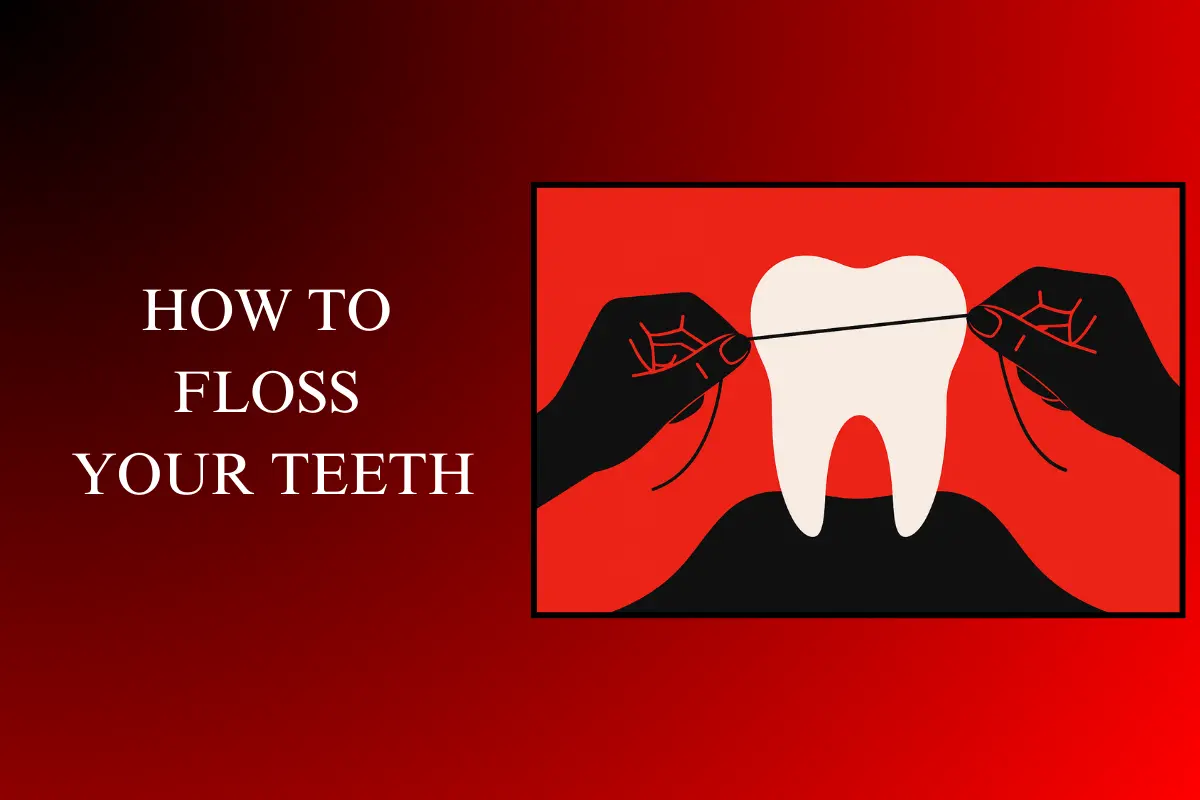
This easy, dentist-approved guide explains how to floss your teeth properly, what tools to use, mistakes to avoid, and how to floss if you have braces, crowns, veneers or implants. Let’s make flossing simple and maybe even enjoyable.
Short Summary
- Brushing alone only cleans part of your teeth; flossing is essential to remove plaque and bacteria from the hidden spaces where gum disease starts.
- The “C-shape” technique; curving the floss around the tooth and sliding it beneath the gumline—is the most effective way to clean.
- Different tools suit different needs: waxed floss is great for tight gaps, while water flossers and super floss are ideal for braces, bridges, and implants.
- Common mistakes like snapping the floss or stopping because of minor bleeding can be avoided with slow, gentle, and consistent movements.
- For the best oral health, floss once daily (ideally at night) to prevent tartar buildup and counteract local lifestyle factors like tea or coffee staining.
Why Is Flossing So Important? (And Why Brushing Alone Isn’t Enough)
Brushing cleans the outer surfaces of your teeth — but it cannot reach between them.
Flossing removes:
Skipping flossing allows plaque to harden into tartar, which only a dentist can remove. Over time, this leads to gum disease, bleeding gums, bone loss, and eventually tooth loss.
Flossing is essentially a daily defence for your gums.
Schedule Your Visit TodayWhat Is the Correct Way to Floss Your Teeth? (Beginner-Friendly Instructions)
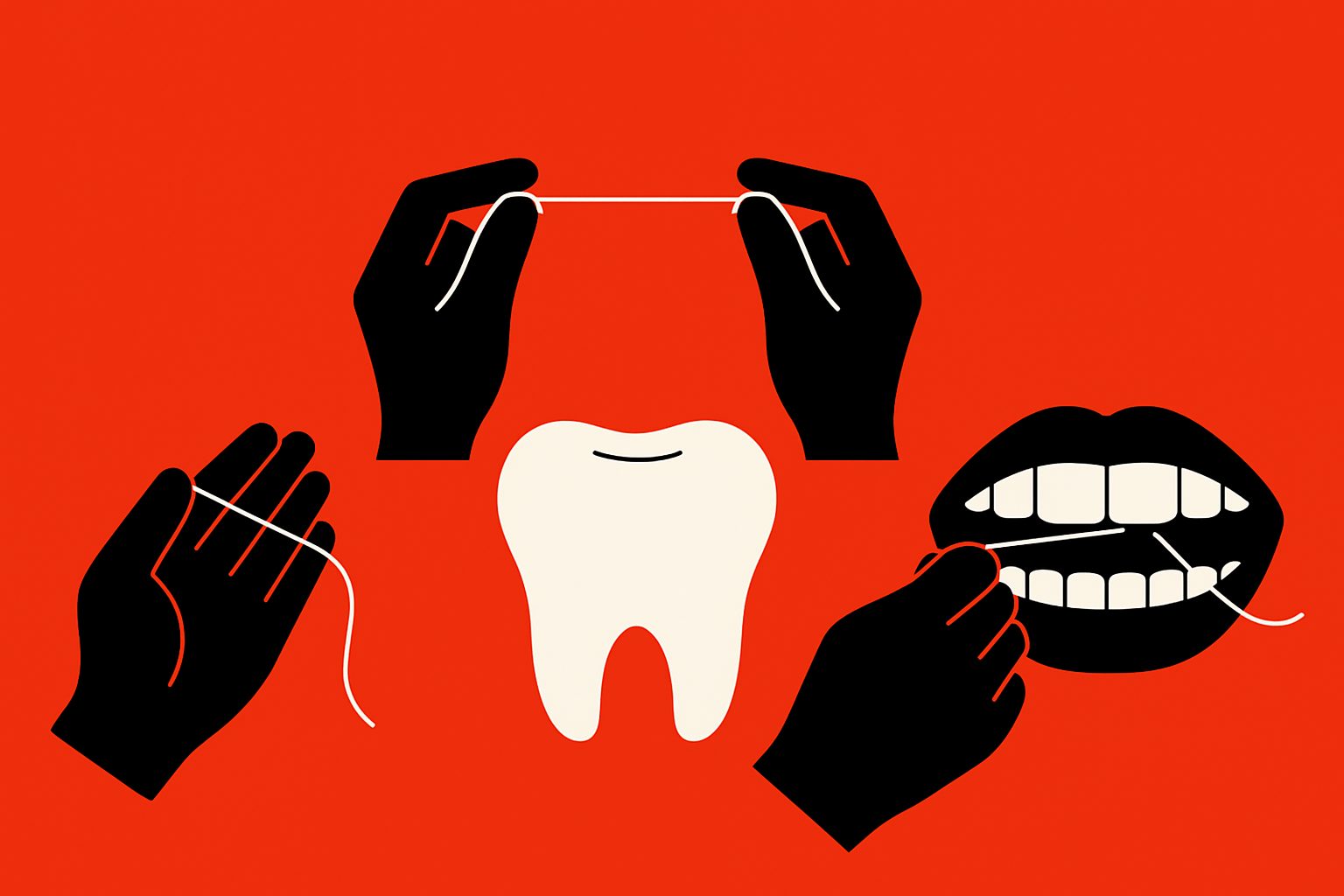
Here’s the dentist-approved technique:
What Are the Different Types of Dental Floss – And Which One Should You Use?
Here’s a simple comparison:
| Floss Type | Best For | Pros | Cons |
|---|---|---|---|
| Waxed floss | Tight teeth | Glides easily | Slightly thicker |
| Unwaxed floss | General use | Very thin | Breaks easily |
| Dental tape | Sensitive gums | Soft, wide | Not for tight gaps |
| Super floss | Braces & bridges | Stiff end helps thread | Requires technique |
| Floss picks | On-the-go cleaning | Convenient | Not as thorough |
| Water flossers | Sensitive gums or braces | Easy & gentle | Doesn’t replace string floss |
| Interdental brushes | Larger gaps | Very effective | Size must fit correctly |
If you’re unsure where to start, waxed floss or interdental brushes are great for most people.
How to Floss Your Teeth with Floss Picks or Water Flossers
Floss picks
- Hold the pick firmly
- Guide it gently between teeth
- Move up and down like string floss
- Use a new pick when the string loosens
Great for children and people who struggle with hand dexterity.
Water flossers
- Aim the water stream at the gumline
- Move slowly along each tooth
- Helpful for bridges, implants, braces
- Use warm water if you have sensitivity
How to Floss with Braces (Orthodontic Guide)
Flossing with braces takes more patience but it’s crucial to prevent white spots.
Use:
- Super floss (stiff end for threading)
- Floss threader
- Water flosser
Steps:
- Thread floss under the wire
- Gently clean each side of the tooth
- Avoid pulling upwards — it can unhook brackets
- Repeat for each tooth
How to Floss Around Bridges, Crowns, Veneers, and Dental Implants
Bridges
Use super floss or a threader to get underneath the false tooth.
Crowns & Veneers
Be gentle. Slide floss out sideways to avoid damaging edges.
Implants
Use:
- Soft floss
- Implant-safe brushes
- Water flossers
Never floss aggressively around implants — slow and gentle wins.
The Most Common Flossing Mistakes (And How to Avoid Them)
Avoid:
- Snapping floss between teeth
- Stopping because of early bleeding
- Only flossing front teeth
- Reusing floss
- Rushing the process
Do this instead:
- Use slow, controlled movements
- Curve floss around the tooth
- Go below the gumline
- Use fresh floss each time
How Often Should You Floss Your Teeth for Ideal Oral Health?
- Once a day
- Ideally at night
- It should take 1–2 minutes
- Consistency matters more than perfection
Flossing Tips Specifically for People in Manchester & Leeds
Local lifestyle factors: Daily flossing helps counteract these common issues.
Why Trust Night and Day Emergency Dentist for Floss-Related Tooth Pain?
If flossing leads to unexpected:
Night and Day Emergency Dentist provides same-day help in Manchester and Leeds. They can examine the area, stop bleeding, treat infection, repair damaged restorations, and guide you on safe flossing going forward.
Book Your Appointment Now!How to Get Into a Daily Flossing Routine (Even If You Hate Flossing)
Small habits create big changes.
Frequently Asked Questions
Conclusion
Flossing is one of the simplest, quickest and most effective ways to protect your teeth and gums. Once you learn how to floss your teeth properly, it becomes a natural part of your daily routine — and the health benefits are enormous.
Whether you’re in Manchester or Leeds, proper flossing helps keep your smile bright, healthy, and confident. And if flossing ever causes unexpected pain or bleeding, Night and Day Emergency Dentist is always here to help.