“Do I really need a root canal… or is this just a normal toothache?”
If you’re asking that, you’re already doing something important: paying attention to your symptoms.
Root canals have a scary reputation, but in reality they’re a way of saving badly infected teeth and getting you out of pain. The real danger usually isn’t the treatment – it’s ignoring the warning signs for too long.
In this guide, we’ll walk through the most common root canal symptoms, how they feel, how serious they might be, and when it’s time to call a dentist or emergency service in Manchester or Leeds.
Short Summary
- Root canal symptoms are your tooth’s warning system, signaling that the internal pulp is inflamed or infected and requires professional attention.
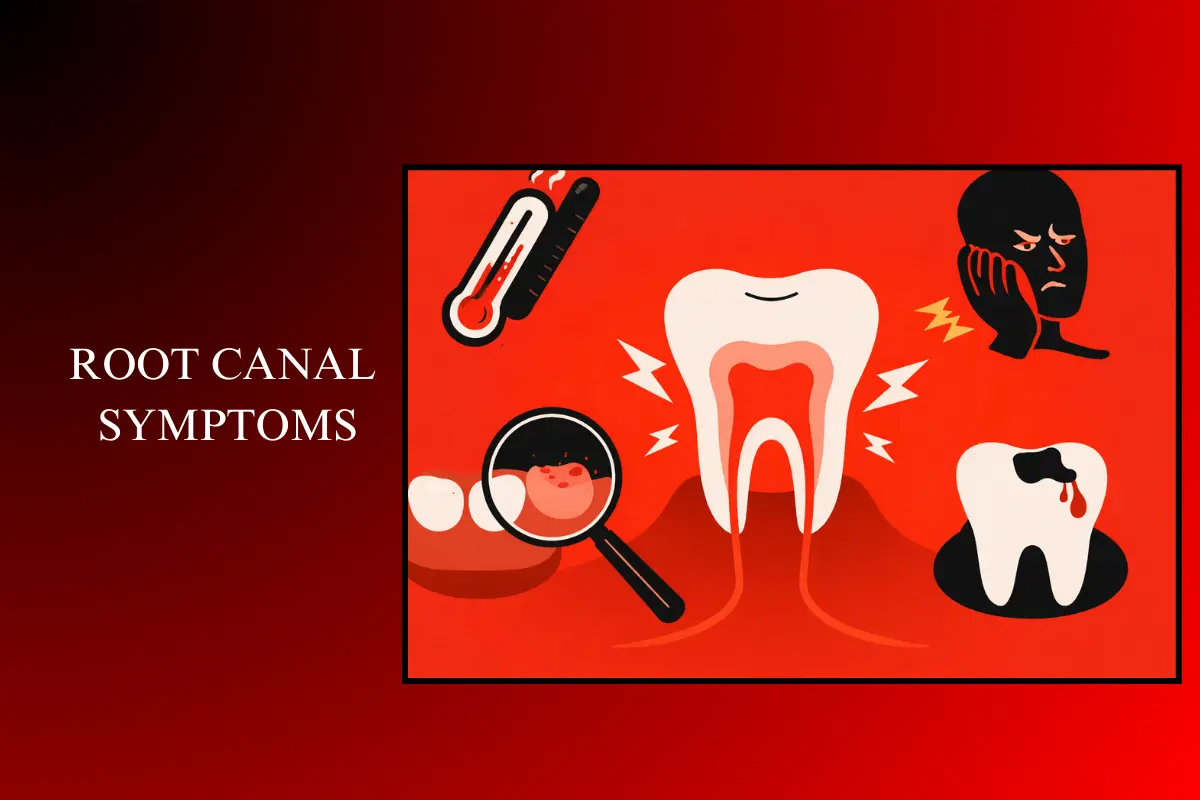
- Key indicators include deep, throbbing pain, sensitivity to heat or cold that lingers for more than 30 seconds, and pain that worsens when lying down.
- Visible signs such as a darkened tooth, swollen gums, or a persistent “pimple” (gum boil) often point to a dying nerve or an active abscess.
- It is a common misconception that no pain means no problem; sometimes a dead nerve stops hurting while the infection continues to spread.
- Emergency dental care in Manchester and Leeds is essential if symptoms are accompanied by facial swelling, fever, or difficulty swallowing.
What Exactly Is a Root Canal – And What Causes These Symptoms?
Inside every tooth is a soft tissue called the pulp – a mix of nerves, blood vessels and connective tissue. When deep decay, cracks, or trauma let bacteria reach that pulp, it becomes inflamed or infected. That’s when the classic root canal symptoms start:
A root canal treatment removes that infected pulp, cleans and disinfects the inside of the tooth, and seals it to stop the infection coming back. The symptoms are basically your tooth’s way of shouting:
“Something is wrong deep inside – please don’t ignore me.”
What Are the Most Common Root Canal Symptoms?
Different people describe their symptoms differently, but dentists and endodontists see the same patterns again and again. Common root canal symptoms include:
You can think of them in three urgency levels:
| Symptom | What It Might Mean | Urgency |
|---|---|---|
| Brief sensitivity to cold only | Early enamel wear, mild sensitivity | See dentist soon, but not urgent |
| Deep, lingering pain, especially at night | Likely pulp inflammation/infection | Book an appointment promptly |
| Swelling, gum boil, fever, or facial swelling | Possible abscess / spreading infection | Same-day or emergency dental care |
This table is just a guide – any worrying symptom deserves a proper dental assessment.
What Does Root Canal Pain Feel Like?
People often say root canal pain feels different from a standard tooth twinge.
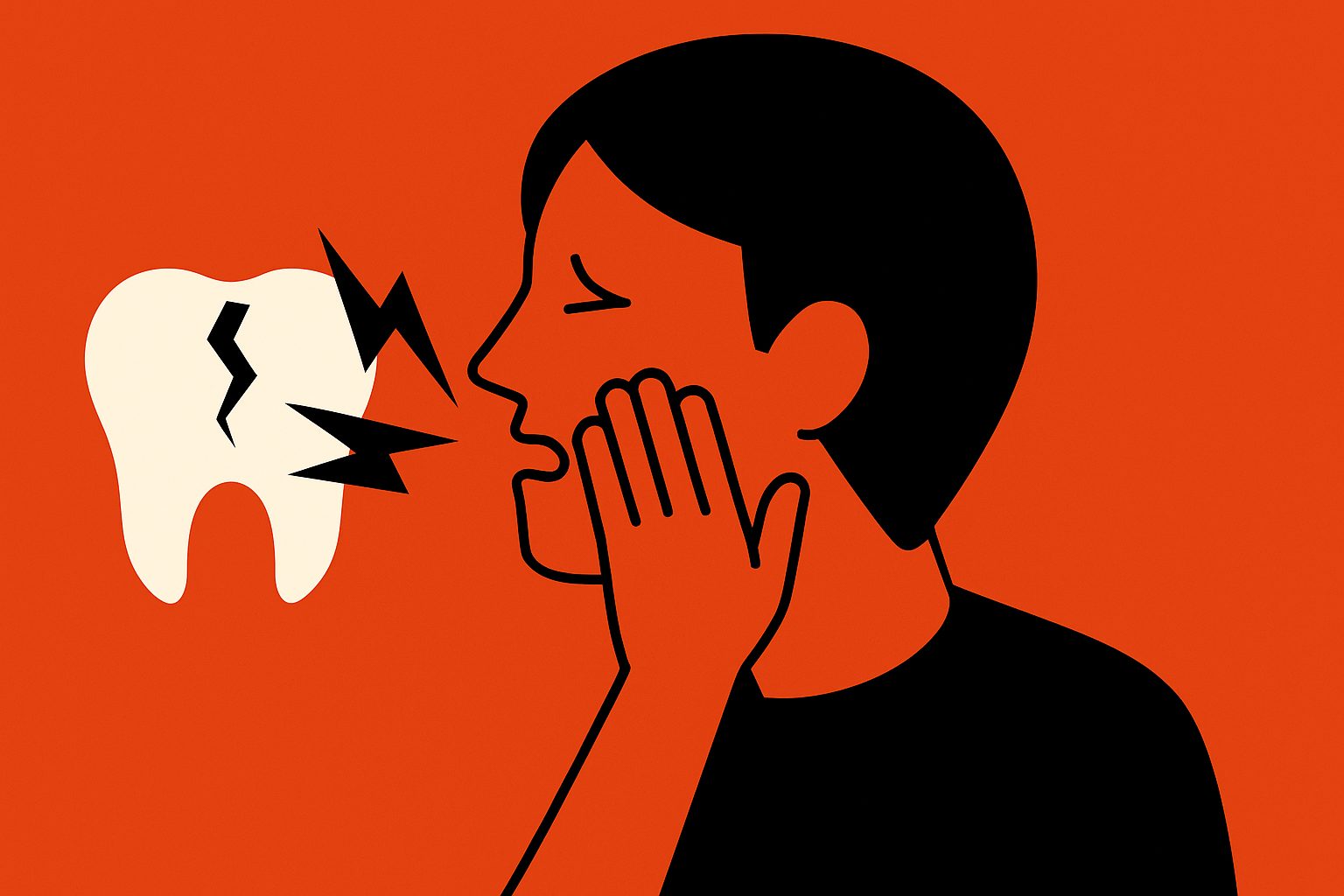
Typical descriptions include:
Importantly, sometimes the pain comes and goes. You might have a bad week, then a quiet week, and think it’s “sorted itself out”. In many cases, that actually means the nerve is dying, not healing – the infection can still be there.
How Do Root Canal Symptoms Differ from Normal Tooth Sensitivity?
Lots of people have “sensitive teeth”. That doesn’t always mean you need a root canal.
Here’s a simple way to compare:
| Feature | Typical Sensitivity | Root Canal-Type Sensitivity |
|---|---|---|
| Trigger | Cold air, ice cream, sugary foods | Hot or cold, plus pressure or for no clear reason |
| Duration | A few seconds, stops when trigger is gone | Lingers for 30 seconds or more, sometimes minutes |
| Pain type | Sharp but brief | Dull, throbbing, or intense ache |
| Other signs | No swelling, tooth looks normal | Often combined with swelling, discolouration or gum changes |
If your sensitivity is long-lasting, keeps returning, or is combined with swelling, gum problems, or colour changes, it’s time to get it checked.
Is Tooth Discolouration One of the Root Canal Symptoms?
Yes – it can be.
When the pulp inside the tooth dies, blood supply is lost and internal tissues can darken. This may make a tooth appear:
- Greyish
- Brown
- Almost black
This is different from general yellowing or surface staining (tea, coffee, smoking) across many teeth. A single dark tooth, especially after a knock or long-standing pain, is a red flag to book an exam.
Cosmetically, dentists can improve the colour with internal whitening, bonding, or a veneer, but infection must be treated first.
Are Swollen Gums or a Pimple on the Gum a Sign You Need a Root Canal?
Very often, yes.
When infection from the tooth spreads to the surrounding tissues, your body tries to fight it off. That can lead to:
- Red, tender, or swollen gums around one tooth
- A pimple-like bump on the gum (abscess or fistula)
- That bump sometimes oozes pus, leaving a bad taste in your mouth
Sometimes the abscess draining through that pimple can reduce the pain, and people feel oddly “better” even though the infection is still there.
If you see or feel a bump like that near a sore tooth – especially with swelling – you should treat it as urgent and call a dentist.
Can Jaw Pain, Facial Swelling or a Loose Tooth Be Root Canal Symptoms?
Yes – these are serious signs.
If infection spreads beyond the tip of the root, it can irritate:
- The surrounding bone → tooth may feel looser
- The jaw → deep ache or difficulty chewing
- Soft tissues of the face → visible swelling
Any of the following should be treated as an emergency:
- Visible facial swelling
- Pain plus difficulty swallowing or breathing
- A tooth that suddenly feels loose, with pain or swelling
- High temperature (fever) alongside tooth symptoms
These situations can’t wait — they need same-day care.
Do Root Canal Symptoms Always Mean You Need a Root Canal?
No – and this is where a proper diagnosis matters.
Similar symptoms can be caused by:
- Deep cavities that haven’t reached the pulp yet
- Gum disease (periodontitis)
- Sinus infections referring pain to upper teeth
- Problems with fillings or crowns
- Temporomandibular joint (TMJ) issues
Dentists don’t just guess. They combine:
- Your symptoms and history
- Clinical tests (cold test, tapping, gentle pressure)
- X-rays to look for deep decay, dark areas at root tips, or abscesses
Only then will they confirm whether a root canal is appropriate, or if another treatment is better.
When Do Root Canal Symptoms Become a Dental Emergency?
A good mental model is a “traffic light”:
Green – Soon (book within a couple of weeks)
- Mild, brief sensitivity only
- Occasional ache that settles quickly
Amber – Prompt (book within a few days)
- Repeated toothache, especially at night
- Lingering hot/cold sensitivity
- Localised tender gums around a specific tooth
Red – Emergency (same day)
- Visible facial swelling
- Severe pain not helped by painkillers
- Pimple/boil on the gum with spreading pain
- Difficulty swallowing or opening your mouth
- Fever with dental symptoms
If you’re in the red zone, it’s time to call an emergency dentist.
Why Trust Night and Day Emergency Dentist for Urgent Root Canal Care?
If you live in Manchester or Leeds and you’re experiencing intense tooth pain, swelling, or signs of an abscess, waiting and hoping it improves can be risky and extremely uncomfortable. Night and Day Emergency Dentist is designed for exactly these situations:
Even if you’re not sure whether it’s “bad enough”, speaking to a professional team can give you clarity and peace of mind.
Book Your Appointment Now!How Can You Manage Root Canal Symptoms at Home Until You See a Dentist?
Home care does not replace treatment, but it can make you more comfortable while you arrange an appointment:
- Use over-the-counter pain relief as advised by your pharmacist or GP.
- Apply a cold compress on the outside of your cheek (10 minutes on, 10 minutes off).
- Avoid chewing on the affected side, especially hard foods.
- Steer clear of very hot or very cold drinks that trigger pain.
- Keep the area clean by brushing gently and rinsing with lukewarm saltwater.
Avoid putting aspirin directly on the tooth or gum – it can burn the tissues.
If your pain is severe, not responding to normal pain relief, or combined with swelling or fever, treat that as an emergency rather than waiting.
What Happens If Root Canal Symptoms Are Ignored?
Ignoring serious symptoms can lead to:
- A larger abscess around the tooth
- Loss of bone support and eventual tooth loss
- Infection spreading to adjacent teeth or areas
- In very rare, severe cases, systemic infection (affecting overall health)
The earlier a dentist intervenes, the simpler the treatment tends to be – and the better your chance of keeping the tooth.
Frequently Asked Questions
Conclusion
Root canal symptoms can be confusing and, frankly, a bit frightening. But they’re also useful signals that something inside the tooth needs attention.
If you’re in Manchester or Leeds and you notice deep, lingering pain, swelling, a dark tooth or a gum pimple, the safest step is simple:
- Don’t guess. Don’t Google-diagnose.
- Let a qualified dentist check what’s really going on.
Early treatment can turn a frightening situation into a straightforward one – often saving your natural tooth and protecting your overall health.