If you’ve been told you need a root canal, the first feeling is usually relief (“finally, the pain will stop”) — quickly followed by anxiety:
“What side effects will I have?”
“What if something goes wrong?”
“How will I know if it’s healing properly?”
You’re not alone. Patients across Manchester and Leeds ask the same questions every day. Root canals are one of the most misunderstood dental treatments, which means the side effects are often exaggerated or completely misrepresented.
This guide breaks everything down clearly: the normal, the unexpected, and the long-term side effects, so you know exactly what to expect and how to stay safe.
Short Summary
- Root canals are a safe, pain-relieving procedure designed to save your natural tooth from extraction by removing internal infection.
- Normal side effects include mild tenderness, sensitivity, and slight swelling, which typically resolve within 1 to 7 days.
- Long-term success rates are high (85–97%), but a permanent crown is usually necessary to prevent the treated tooth from weakening or fracturing.
- Unexpected but manageable effects can include temporary sinus pressure or slight tooth discolouration.
- Urgent dental care should be sought if you experience severe swelling, high fever, or pain that lasts beyond 10 days.
What Is a Root Canal Treatment & Why Is It Needed?
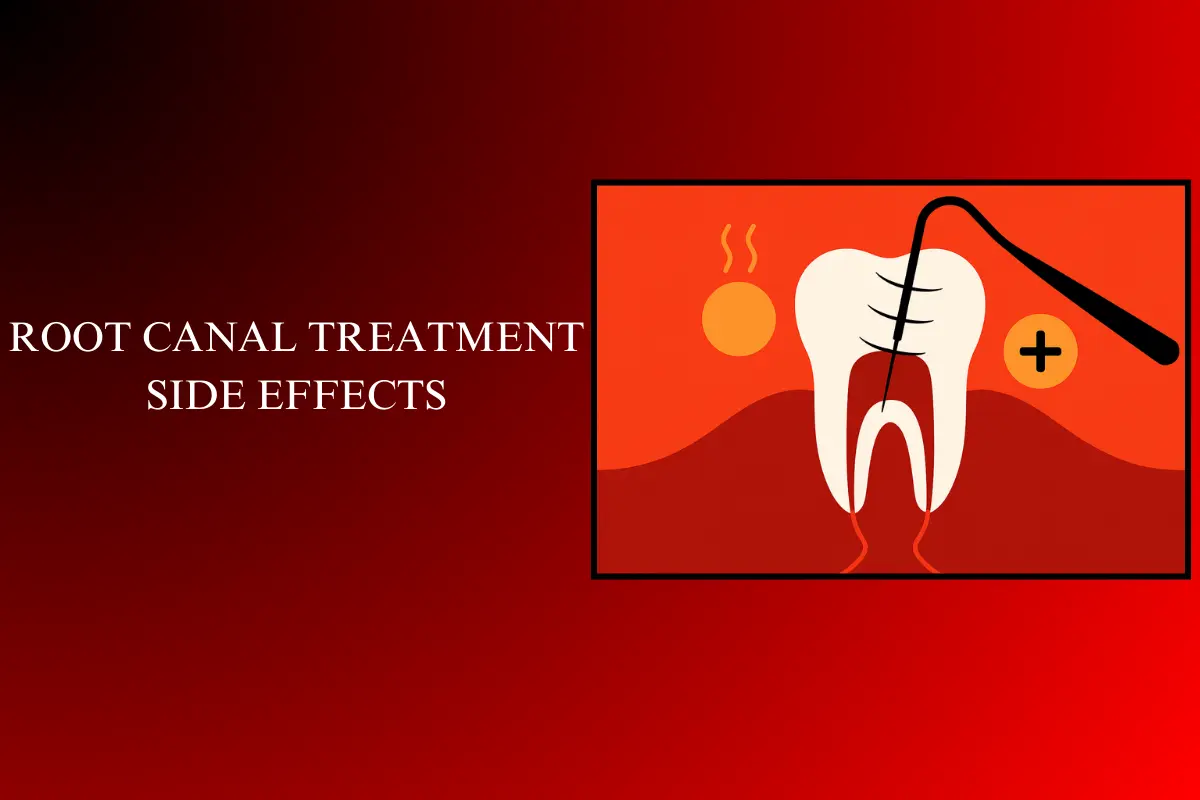
A root canal treatment removes the infection inside your tooth to save it from extraction. A dentist cleans the inner canals, removes bacteria, disinfects the area, and seals the tooth.
It treats:
- Severe tooth decay
- Cracked teeth
- Trauma-related infections
- Long-standing abscesses
It is a pain-relieving procedure — not a painful one.
What Are Normal Side Effects After a Root Canal Treatment?
Most patients experience mild, temporary symptoms. These are completely normal.
| Normal Side Effect | Why It Happens | Why It Happens |
|---|---|---|
| Mild pain or soreness | Tissue around tooth is inflamed | 1–4 days |
| Sensitivity while biting | Tooth adjusting after treatment | 3-7 days |
| Slight swelling | Local inflammation | 1–2 days |
| Gum tenderness | Irritation from instruments | Few days |
| Numbness | Anaesthetic wearing off | 2–6 hours |
You can manage these easily with pain medication and soft foods.
What are the Unexpected Root Canal Treatment Side Effects?
A few patients experience effects that feel unusual but are not necessarily dangerous:
- Sudden bite changes
- Jaw stiffness from keeping the mouth open
- Delayed soreness after 7–10 days
- Allergic reaction to medication (rare)
- Temporary gum tingling
These typically resolve with rest and proper aftercare.
Can a Root Canal Cause Tooth Discolouration?
Yes — but it is not harmful.
The tooth may darken slightly if the nerve tissue inside had bled or decayed.
Options:
- Internal whitening
- Composite bonding
- Veneers for cosmetic coverage
Speak to your dentist if the colour worries you.
Can Root Canal Treatment Cause Sinus Problems?
Upper back teeth sit extremely close to your sinus cavity.
Some patients experience:
- Light sinus pressure
- Mild congestion
- A “funny” feeling when breathing cold air
This is temporary and resolves as the tooth heals.
If you get sinus pain, fever, or thick discharge, contact a dentist immediately.
What Are the Long-Term Root Canal Treatment Side Effects?
Long-term side effects are rare, but may include:
-
Re-infection
If bacteria re-enter through cracks, old fillings or delayed crown placement.
-
Tooth weakening
A root canal removes the inner nerve, making the structure more brittle.
A crown is often recommended to prevent fractures. -
Hidden infection
Some teeth have extra canals that may be hard to locate.
-
Chronic abscess (rare)
Occurs when bacteria remain deep inside the root.
UK success rates are high — about 85–97%.
Why Do Root Canal Treatments Sometimes Fail?
Failure can occur due to:
- Hidden canals
- Cracked roots
- Delayed crown placement
- Poor oral hygiene
- Re-infection through new cavities
- Old fillings leaking
A dentist may recommend re-treatment or an apicoectomy.
How to Reduce Risks & Side Effects After a Root Canal Treatment
You can significantly reduce complications with simple steps:
- Avoid chewing on the treated tooth until fully restored
- Brush gently around the area
- Use warm saltwater rinses
- Take pain relief as directed
- Eat soft foods for 1–2 days
- Attend your follow-up appointment
- Get your permanent crown placed on time
When Should You Call an Emergency Dentist After a Root Canal?
Seek urgent help if you experience:
- Severe swelling
- High fever
- Pain lasting beyond 7–10 days
- Pus or persistent bad taste
- Broken temporary filling
- Difficulty opening the mouth
Night and Day Emergency Dentist — Helping Patients in Manchester & Leeds
If you experience extreme pain, swelling or think your root canal is failing, Night and Day Emergency Dentist offers same-day appointments, quick diagnostics and immediate treatment. They are especially helpful for:
- Reinfection cases
- Swelling and abscesses
- Lost crowns/temporary fillings
- Post-treatment complications
Prompt care prevents bigger issues like bone infection or tooth loss.
Book Your Appointment Now!Are There Alternatives to Root Canal Treatment?
| Treatment | Pros | Cons |
|---|---|---|
| Root Canal | Saves natural tooth, long-lasting | May require crown |
| Extraction | Removes infection entirely | Tooth loss, functional impact |
| Dental Implant | Permanent replacement | Expensive, surgery needed |
| Bridge | Restores chewing | Affects neighbouring teeth |
A root canal is usually the least invasive option for saving a natural tooth.
How to Care for Your Tooth After Root Canal to Avoid Complications
- Don’t chew hard foods on the treated tooth
- Get the crown fitted ASAP
- Floss daily
- Use fluoride toothpaste
- Avoid smoking and excess sugar
- Wear a night guard if grinding
Root Canal Treatment Side Effects in Children vs Adults
Children may experience:
- Faster healing
- Less post-treatment pain
- More need for space maintainers
Adults may have:
- Longer sensitivity
- Higher risk of fracture if crown delayed
Frequently Asked Questions
Conclusion
A root canal treatment is one of the safest, most predictable dental procedures available in the UK. While mild side effects are normal and temporary, complications are rare — and manageable when treated early.
If you’re in Manchester or Leeds and experience anything unusual after your root canal, don’t ignore the signs. Quick attention can prevent bigger problems and save your tooth.