Thinking about improving your smile, but stuck choosing veneers vs composite bonding?
You’re not alone. A lot of people in Manchester and Leeds find themselves scrolling through before-and-after photos, hearing horror stories about “Turkey teeth”, and wondering:
- “Do I really need to shave my teeth down?”
- “Is composite bonding enough for me?”
- “What’s actually worth the money long term?”
This guide is here to help you cut through the noise. We’ll look at how veneers and composite bonding work, how they compare on cost and durability, and which is more suitable for different types of smile concerns – so you can have a confident conversation with your dentist, not a confused one.
Schedule Your Visit TodayWhat’s the Main Difference Between Veneers and Composite Bonding?
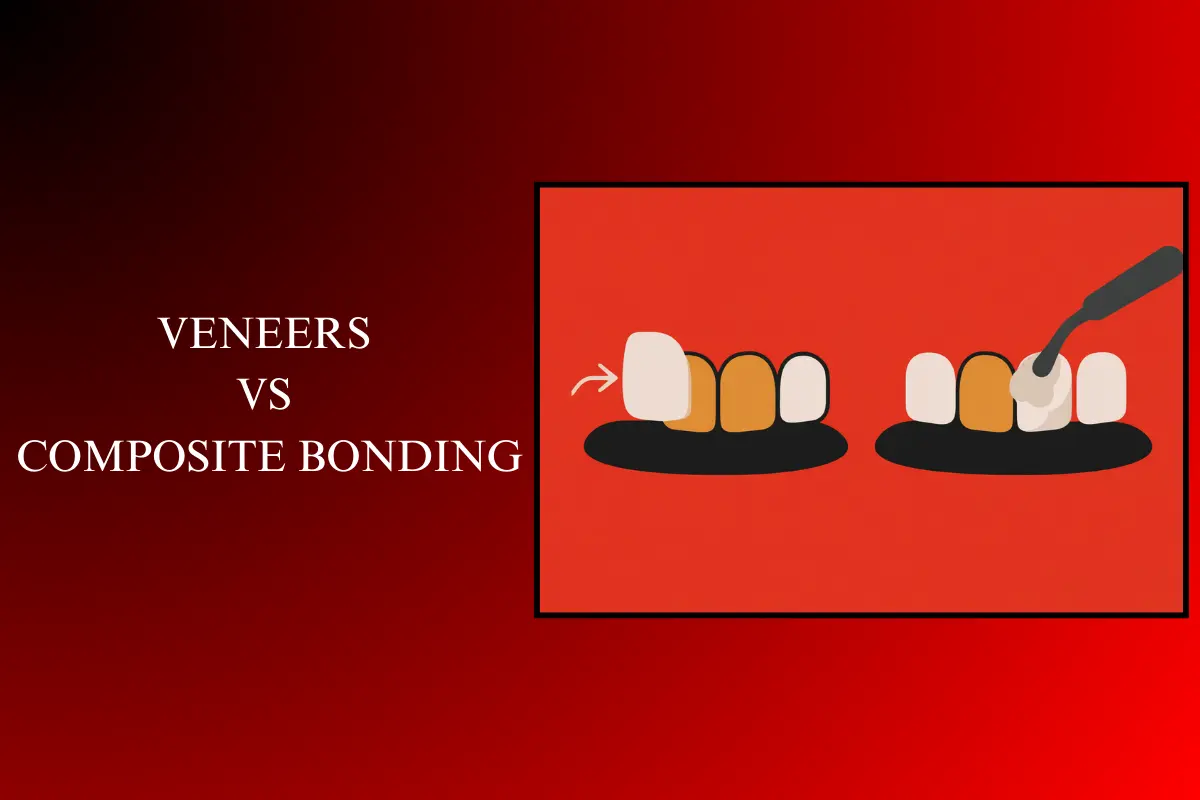
Both veneers and composite bonding are cosmetic treatments that change how your teeth look, but they do it in very different ways.
Here’s a quick snapshot:
| Feature | Composite Bonding | Veneers (Porcelain / Composite) |
|---|---|---|
| Material | Composite resin | Usually porcelain, sometimes composite |
| Coverage | Small areas / edges of teeth | Entire front surface |
| Invasiveness | Minimal, often no drilling | Enamel usually shaved down |
| Reversible? | Often yes | Generally no (irreversible) |
| Best for | Small chips, gaps, minor tweaks | Full smile makeovers, bigger changes |
Think of bonding as a precision edit and veneers as a total re-style.
How Do They Compare on Cost, Durability and Aesthetics?
Here’s where “veneers vs composite bonding” really matters for everyday life.
Evidence and clinical guidance generally show:
Costs vary widely between clinics and regions, but in most UK practices:
- Composite bonding costs less per tooth than veneers.
- Veneers cost more upfront but are designed as a long-term investment.
A simplified comparison:
| Factor | Composite Bonding | Veneers |
|---|---|---|
| Upfront cost per tooth | Lower | Higher |
| Average lifespan | 3–7 years | 10–15+ years |
| Stain resistance | Moderate (can stain over time) | High (especially porcelain) |
| Visits needed | Usually 1 | 2 or more |
| Look & finish | Very good, can be natural | Excellent, very refined finish |
So, bonding often wins on short-term affordability, while veneers win on long-term durability and polish.
Are Veneers or Composite Bonding Better for Your Natural Teeth?
If you’re worried about how much tooth needs to be drilled, this section is for you.
If preserving as much natural tooth as possible is your top priority, composite bonding is usually the more conservative choice.
Are There Any Risks or Downsides with Veneers vs Composite Bonding?
All dental treatments have pros and cons. Key points:
Composite bonding drawbacks:
- Shorter lifespan than porcelain veneers.
- More staining and wear over time.
- Not ideal for very large changes or very heavy bites.
Veneer drawbacks:
- Irreversible enamel removal.
- Higher upfront cost.
- If one veneer fails, replacing it can be more involved and expensive.
This is why a thorough examination (including X-rays, bite assessment and discussion of your habits and goals) is essential before deciding.
Veneers vs Composite Bonding: How Do You Decide What’s Right for You?
In cities like Manchester and Leeds, most people consider:
- Budget – how much they can or want to invest now.
- Timeline – are they preparing for a wedding, graduation, or big life event?
- Lifestyle – coffee, red wine, smoking, sports.
- Personal taste – ultra-uniform “Hollywood” vs natural-looking upgrades.
A good cosmetic dentist will:
- Ask what you like and don’t like about your teeth
- Show you examples of both veneers and bonding
- Explain what’s realistic with each option for your teeth, not just in theory.
Why Trust Night and Day Emergency Dentist for Fast Repair of Chipped Bonding or Veneers?
Sometimes cosmetic work doesn’t just affect confidence – it becomes an urgent problem.
You might:
- Chip your composite bonding so it feels sharp against your lip
- Have a veneer come off before a big meeting or event
- Crack a veneer and feel sensitivity underneath.
In these situations, Night and Day Emergency Dentist can:
- smooth or repair chipped composite bonding where appropriate
- Temporarily re-cement or protect a tooth if a veneer has come off
- Relieve pain or sensitivity and stabilise things until you can plan a longer-term solution with your regular dentist.
For patients in Manchester and Leeds, knowing there’s emergency support available can make choosing veneers or composite bonding feel less risky.
Book Your Appointment Now!What Questions Should You Ask Your Dentist Before Choosing Veneers or Composite Bonding?
When you sit down with your dentist, consider asking:
Your goal isn’t just a prettier smile – it’s a result that fits your life, your budget and your long-term oral health.
Frequently Asked Questions
Neither is “better” in every situation. Veneers usually give more dramatic, longer-lasting results, especially when several teeth are involved. Composite bonding is fantastic for smaller, more conservative changes and costs less per tooth.
Porcelain veneers typically last 10–15 years or more, while composite bonding usually lasts 3–7 years before needing repair or replacement, depending on care and habits.
Yes. Per tooth, composite bonding is generally significantly cheaper than porcelain veneers, which require lab work and multiple visits. The trade-off is that bonding usually needs more frequent maintenance over time.
In many cases, yes – especially for minor tweaks. However, veneers often provide the most consistent, high-gloss, “photo-ready” finish, particularly when many teeth are treated at once.
Final Thoughts
When it comes to veneers vs composite bonding, you’re not choosing a “right” or “wrong” option – you’re choosing which treatment best matches your teeth, your goals, and your budget.
- Composite bonding: gentle, affordable, great for small changes.
- Veneers: more of a commitment, but powerful for long-term, full-smile transformations.
If you’re in Manchester or Leeds and thinking about improving your smile, the best next step is a consultation with a trusted dentist who can examine your teeth, talk through your lifestyle and expectations, and help you weigh up both options properly.