Gum disease is a chronic bacterial infection that progressively compromises the delicate soft tissues and bone structures supporting your natural teeth. Left unmanaged, this widespread oral condition can quickly lead to irreversible structural degradation, tooth instability, and eventual loss.
This comprehensive clinical guide from the expert team at Night and Day Emergency Dentist provides immediate, scannable clarity on identifying the infection in its earliest phases. You will discover the vital steps required to prevent permanent jawbone damage and safely access effective professional treatments across the UK.
What are the Initial Indicators of Gum Disease?
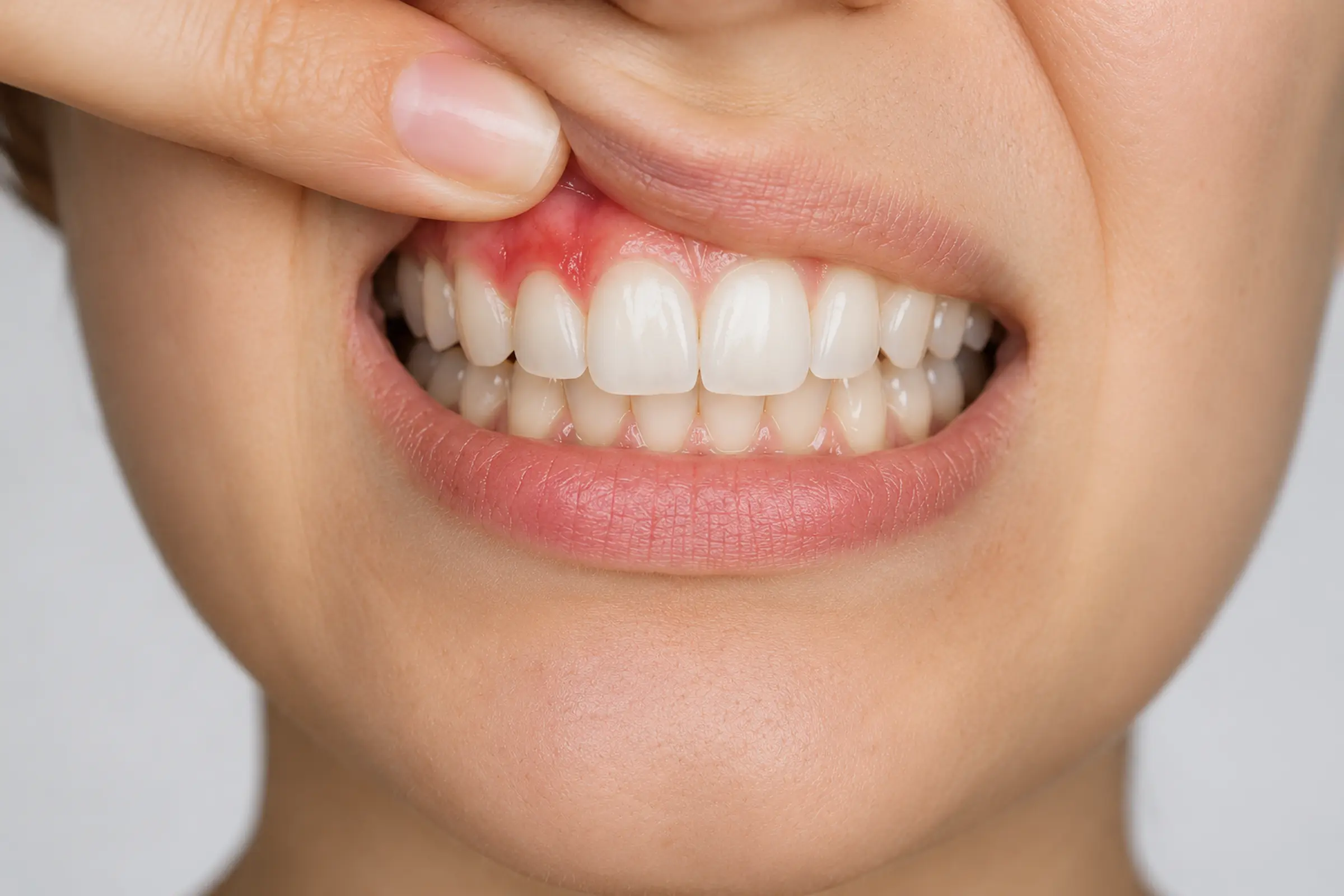
The earliest warning signs of an oral infection are often quiet and easy to overlook during your daily routine. Healthy gingival tissue should always look firm, uniform, and coral pink in appearance.
If you notice your tissues changing colour, it means your body is actively fighting off an infection. You can easily spot early changes by checking for a few key visual and sensory indicators.
- Altered Tissue Colour: Gums change from a healthy coral pink to a deep red, dark crimson, or purple shade.
- Routine Bleeding: The appearance of pink saliva in the sink during standard brushing or flossing sessions.
- Persistent Bad Breath: A chronic bad taste or foul odour caused by volatile sulfur compounds from hidden bacteria.
- Textural Puffiness: Gums look swollen or glossy and begin to lose their tight grip around the necks of your teeth.
What are the Main Stages and Causes of Gum Disease?
The primary cause of this progressive infection is the continuous accumulation of plaque, which is a sticky film of oral bacteria. If plaque is not removed through daily cleaning, it mixes with minerals in your saliva and hardens into a substance called tartar or calculus. Tartar cannot be brushed away at home and acts as a rough platform that allows more destructive bacteria to colonize the area.
The Progress of Infection Matrix
| Infection Stage | Tissue Status | Bone Structure Impact | Primary Clinical Action |
|---|---|---|---|
| Gingivitis | Puffy red margins that bleed very easily | Zero structural bone loss detected | Deep hygiene cleanings and better flossing |
| Early Periodontitis | Tissue detaches creating small gaps | Minor localized bone damage occurs | Root planning and targeted antimicrobials |
| Moderate Periodontitis | Gums pull back exposing tooth roots | Significant bone erosion is visible | Advanced deep debridement cycles |
| Severe Periodontitis | Chronic pus flow and loose mobile teeth | Massive widespread bone loss found | Surgical intervention or extraction |
Common Risk Factors of Gum Disease
While bacterial plaque is the main driver, several systemic factors can increase your vulnerability to tissue breakdown.
- Hormonal Fluctuations: Changes during pregnancy, puberty, or menopause can make gums highly sensitive to plaque bacteria.
- Poor Nutrition: A severe lack of vitamin C and other essential nutrients impairs your body’s ability to repair soft oral tissues.
- Smoking and Tobacco Use: Nicotine slows down the natural healing process and significantly masks early bleeding signs.
How Does Gum Disease Impact Your Overall Health?
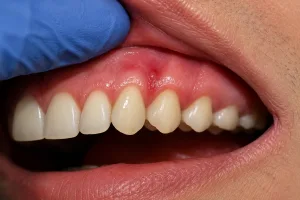
Bleeding gums break the critical protective barrier separating your oral cavity from your circulatory system. This structural breach allows destructive anaerobic bacteria to move freely into your bloodstream, causing wider health issues.
Cardiovascular Complications
Once inside your blood vessels, these microorganisms trigger a systemic inflammatory response throughout your entire body. Medical research shows that chronic oral infections can accelerate the buildup of fatty plaques inside your arteries. This dangerous process can narrow your blood vessels over time, increasing your risk of heart attacks and strokes.
Diabetes Management Challenges
The relationship between oral infections and blood sugar regulation is a dangerous two way street. Chronic systemic inflammation makes it significantly harder for the body to utilize insulin efficiently. This means an ongoing gum infection can actively destabilize your blood sugar control, while high blood sugar simultaneously worsens the oral infection.
Get the Best Information!What is Periodontal Disease and How is it Diagnosed?
While people often use these terms interchangeably, there is a clear clinical boundary between the early and advanced forms of the infection. Dentists utilize specific diagnostic criteria to determine exactly how far the condition has progressed.
Gingivitis vs Periodontitis
Gingivitis features surface level inflammation restricted entirely to the soft gingival tissues surrounding the crowns. Because the underlying bone remains untouched, gingivitis can be completely reversed with good professional hygiene. Periodontal disease occurs when the infection moves deeper to actively dissolve the alveolar bone and periodontal ligament.
The Clinical Diagnostic Process
To map out the extent of the damage, your clinician will perform a series of precise diagnostic checks during your assessment.
- Periodontal Probing: Dentists use a specialized millimeter tool to measure the depth of the spaces between your gums and teeth.
- Digital X-rays: High definition imaging allows the team to check the internal density and height of your jawbone.
- Mobility Assessments: Checking individual teeth for any signs of physical loosening or shifting under gentle pressure.
What is Stage 3 Gum Disease and its Complications?
Reaching the third phase of periodontitis means your oral structures have suffered severe, irreversible structural damage. At this level of infection, the bacterial pockets beneath the gum line widen and deepen significantly, frequently measuring over six millimeters during an examination.
The condition presents with extensive gum recession that exposes the darker, highly sensitive root surfaces of your teeth. You may experience spontaneous bleeding, throbbing jaw pain, and a constant foul discharge or pus oozing from the tissues. Because more than half of your supporting jawbone can be destroyed during this stage, your teeth will feel loose or shift noticeably whenever you chew food.
Are There Links Between Gum Disorders and Autoimmune Diseases?
Your immune system directly dictates how your body handles a bacterial attack in your mouth. When a patient lives with an underlying autoimmune challenge, their inflammatory response is often altered or hyperactive.
The Autoimmune Hyper-Response
Conditions like rheumatoid arthritis, lupus, and Sjogren’s syndrome cause the body to overreact to the presence of oral plaque. Instead of simply attacking the bacteria, the immune system accidentally destroys its own healthy oral structures. This dual action causes the supporting jawbone and gingival fibers to dissolve at a much faster rate.
Specialized Care Requirements
Because of this heightened vulnerability, patients with autoimmune conditions require specialized preventive strategies. Standard home care is rarely enough to keep the inflammation at bay, meaning these individuals must maintain strict, highly frequent dental hygiene schedules to protect their margins.
Get Professional Advice!What are the Professional Prevention and Treatment Options?
Overcoming an active oral infection requires targeted clinical intervention combined with strict home care modifications. Your dentist will design a multi-stage treatment plan based on the severity of your tissue loss.
- Ultrasonic Scaling: Dental professionals use high frequency scaling tools to safely blast away rock hard tartar deposits.
- Root Surface Debridement: Clinicians smooth out the root faces beneath the gumline to remove deeply embedded bacteria.
- Antimicrobial Therapy: Placing localized antibiotic gels directly into deep pockets or utilizing targeted prescription rinses.
- Structural Splinting: Repairing and bonding loose, mobile teeth together temporarily to stabilize them during the healing process.
When Should You See a Dentist for Urgent Oral Infections?
While minor bleeding during flossing can be addressed at a routine hygienist visit, certain progressive symptoms demand an immediate clinical assessment. You should seek urgent care if your oral bleeding is profuse, continuous, and completely fails to stop after applying direct pressure with a clean pad.
Sudden, painful swelling of the gums, cheek, or the space directly beneath your jawline is a major warning sign of a spreading abscess. If the infection is accompanied by a high fever, severe difficulty swallowing, or excruciating pain that completely prevents sleep, you must seek help right away. Our emergency teams operate around the clock to drain localized infections, prescribe urgent medications, and stabilize compromised structures.
Why Choose Night and Day Emergency Dentist?
Managing chronic oral infections effectively requires a rapid clinical response, specialized equipment, and deep diagnostic expertise. Night & Day Emergency Dentist services available 24/7 across all locations in UK.
- 24/7 Urgent Availability: Our clinics operate around the clock to handle sudden infection flare ups and acute swelling.
- Advanced Digital Imaging: We utilize high definition technology to track internal bone loss levels safely and accurately.
- Zero Judgment Policy: We focus entirely on restoring your health, regardless of how long you have missed your regular checkups.
Frequently Asked Questions
Conclusion
Addressing gum disease quickly remains the absolute key to safeguarding both your oral structures and your whole body systemic health. Ignoring the early warning indicators directly allows destructive bacteria to destroy your jawbone and permanently compromise your natural smile lines.
The dedicated clinical teams at Night and Day Emergency Dentist remain available around the clock to assist you in breaking this destructive cycle. Contact our emergency surgeries at any time to receive expert diagnostics, gentle tartar debridement, and the professional support needed to preserve your natural teeth.