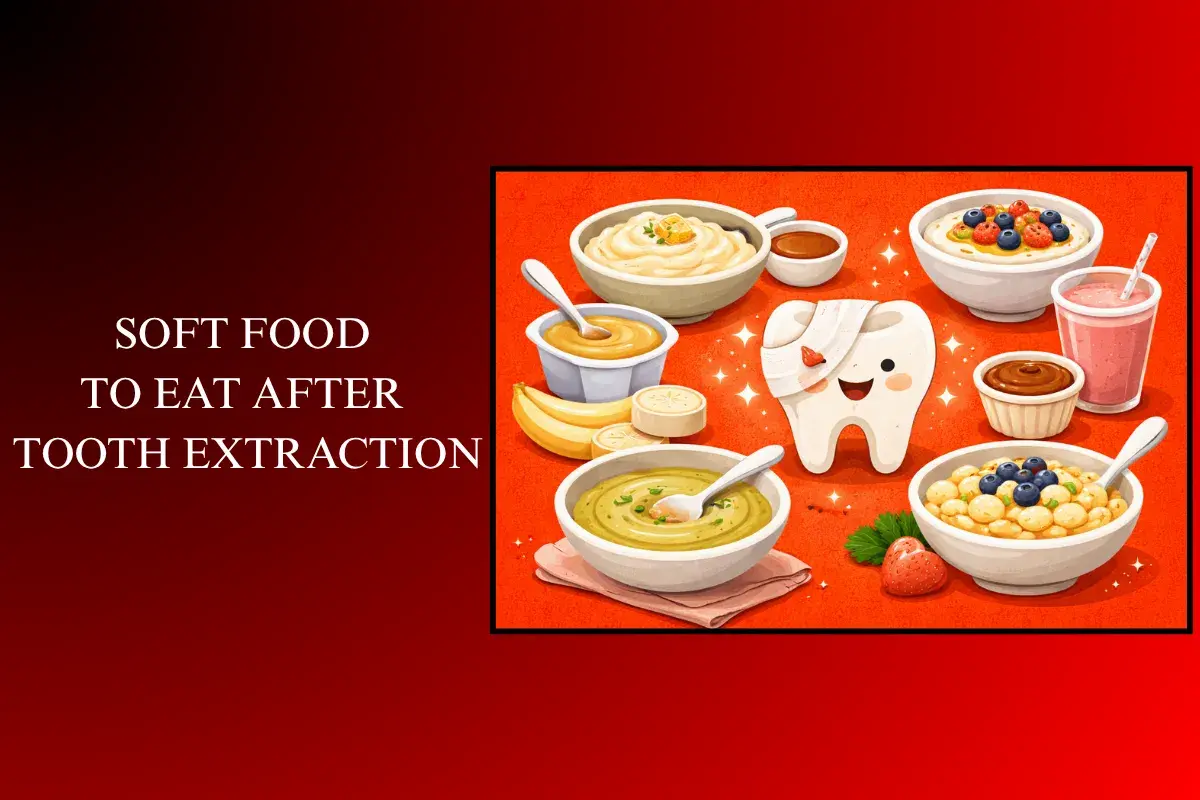
Waking up after a tooth extraction usually brings two immediate feelings: relief that the tooth is gone and a sudden, growling realization that you are hungry. However, your usual go-to snacks, crunchy crisps or a chewy steak are now off-limits
At Night and Day Emergency Dentist, we know that the first 48 hours are critical. Eating the wrong thing can dislodge the blood clot, leading to the dreaded “dry socket.” To make your recovery as smooth (and delicious) as possible, we’ve compiled the ultimate list of 50 soft foods to eat after tooth extraction that provide the nutrients you need without risking your healing.
Short Summary
- Adhering to a soft food diet for the first 48 hours after a tooth extraction is vital to protect the developing blood clot and avoid a painful “dry socket.”
- Strict avoidance of straws is mandatory during early recovery, as the vacuum suction can easily dislodge the healing clot from the socket.
- Nutritional needs can be comfortably met using a varied 50-soft-food menu divided into proteins, comforting carbohydrates, and vitamin-rich produce.
- All recovery meals must be served lukewarm or cold, as hot foods and liquids risk dissolving the blood clot and irritating the open wound.
- Patients can gradually transition back to regular textures after day three, provided the food is easily “fork-mashable” and causes no discomfort.
Why is a Soft Food Diet Mandatory After Extraction?
Before we dive into the menu, it is important to understand the “why.” Your mouth is currently working overtime to heal a wound.
- Clot Protection: Hard or crunchy foods can physically poke the site and .
- Reduced Irritation: Salt, spice, and acidity can sting an open wound.
- Jaw Rest: Extractions often leave the jaw muscles feeling stiff; soft foods require minimal chewing.
The First 24–48 Hours: The Liquid Phase
In the immediate aftermath of your surgery in our dental clinics, stick to liquids and ultra-soft textures.
The “No-Straw” Rule
Important: Never use a straw. The suction can pull the blood clot right out of the socket. Always sip directly from a cup or use a spoon.
50 Soft Foods to Eat After Tooth Extraction: The Complete List
To help you shop and prep, we’ve categorized these by their nutritional “heavy lifting.
-
Protein-Packed Essentials (For Tissue Repair)
- Scrambled Eggs: Soft, fluffy, and easy to swallow.
- Greek Yogurt: High in protein and soothingly cold.
- Protein Shakes: (Sip from a glass!)
- Silken Tofu: Can be added to soups or eaten with a dash of soy sauce.
- Hummus: Creamy and filling (avoid crackers; eat with a spoon).
- Cottage Cheese: High in casein protein.
- Flaky Steamed Fish: Think cod or haddock (avoid bones).
- Protein Mousse: A sweet way to get your macros.
- Lentil Soup: Blended until smooth.
- Refried Beans: Mash them well with a little cheese.
-
Comforting Carbohydrates (For Energy)
- Mashed Potatoes: The gold standard of recovery food.
- Mashed Sweet Potatoes: Packed with Vitamin A for healing.
- Overcooked Pasta: Think stars or tiny macaroni.
- Polenta: Smooth and creamy.
- Risotto: Cooked until very soft.
- Congee: A traditional Asian rice porridge.
- Couscous: Tiny grains that require zero chewing.
- Pancakes: Soft, plain, and lukewarm.
- Soft White Bread: (Remove the crusts!)
- Mashed Banana: Natural sweetness and potassium.
-
Fruits and Vegetables (For Vitamins)
- Applesauce: A classic, non-acidic choice.
- Mashed Avocado: Healthy fats and a buttery texture.
- Smoothies: (Green or fruit-based; no seeds like raspberries).
- Pureed Carrots: Sweet and earthy.
- Mashed Cauliflower: A great low-carb potato alternative.
- Baked Squash: Soft and easy to mash.
- Pureed Spinach: High in iron.
- Vegetable Broth: Warm (not hot) and hydrating.
- Canned Peaches: Soft and syrupy (no skins).
- Watermelon: High water content (remove seeds).
-
Dairy and Alternatives (For Calcium)
- Milkshakes: (Again, use a spoon or cup).
- Kefir: Great for gut health after antibiotics.
- Custard: Thick and comforting.
- Rice Pudding: Traditional comfort food.
- Smooth Almond Butter: (Eat in small amounts; it can be sticky).
- Oat Milk Lattes: (Lukewarm only).
- Soft Brie or Camembert: High calorie and soft.
- Ice Cream: (Avoid cones or toppings like nuts/choc chips).
- Sorbet: For a dairy-free cold treat.
- Frozen Yogurt: Soothes inflammation.
-
Snacks and Treats
- Jelly (Jello): Zero effort to eat.
- Pudding Pots: Easy fridge-to-table snack.
- Mousse: Chocolate or strawberry.
- Cheesecake Filling: (Avoid the biscuit base).
- Soft Sponge Cake: Soak in milk or custard if too dry.
- Smooth Peanut Butter: On a spoon.
- Bone Broth: Excellent for collagen.
- Gazpacho: Cold tomato soup (avoid if too acidic).
- Mashed Pears: Very soft when ripe.
- Poached Eggs: For a runny, easy-to-digest yolk.
Recovery Comparison: What to Eat vs. What to Avoid
| Food Group | Choose These (Safe) | Avoid These (Dangerous) |
|---|---|---|
| Grains | Mashed potatoes, soft pasta, porridge. | Rice (can get stuck), crusty bread, popcorn. |
| Protein | Scrambled eggs, flaky fish, tofu. | Steak, jerky, nuts, seeds. |
| Produce | Avocado, applesauce, pureed veg. | Raw carrots, apples with skin, corn on the cob. |
| Dairy | Yogurt, custard, soft cheese. | Hard cheeses, granola-topped yogurt. |
How to Prepare Your Recovery Meals for Maximum Success
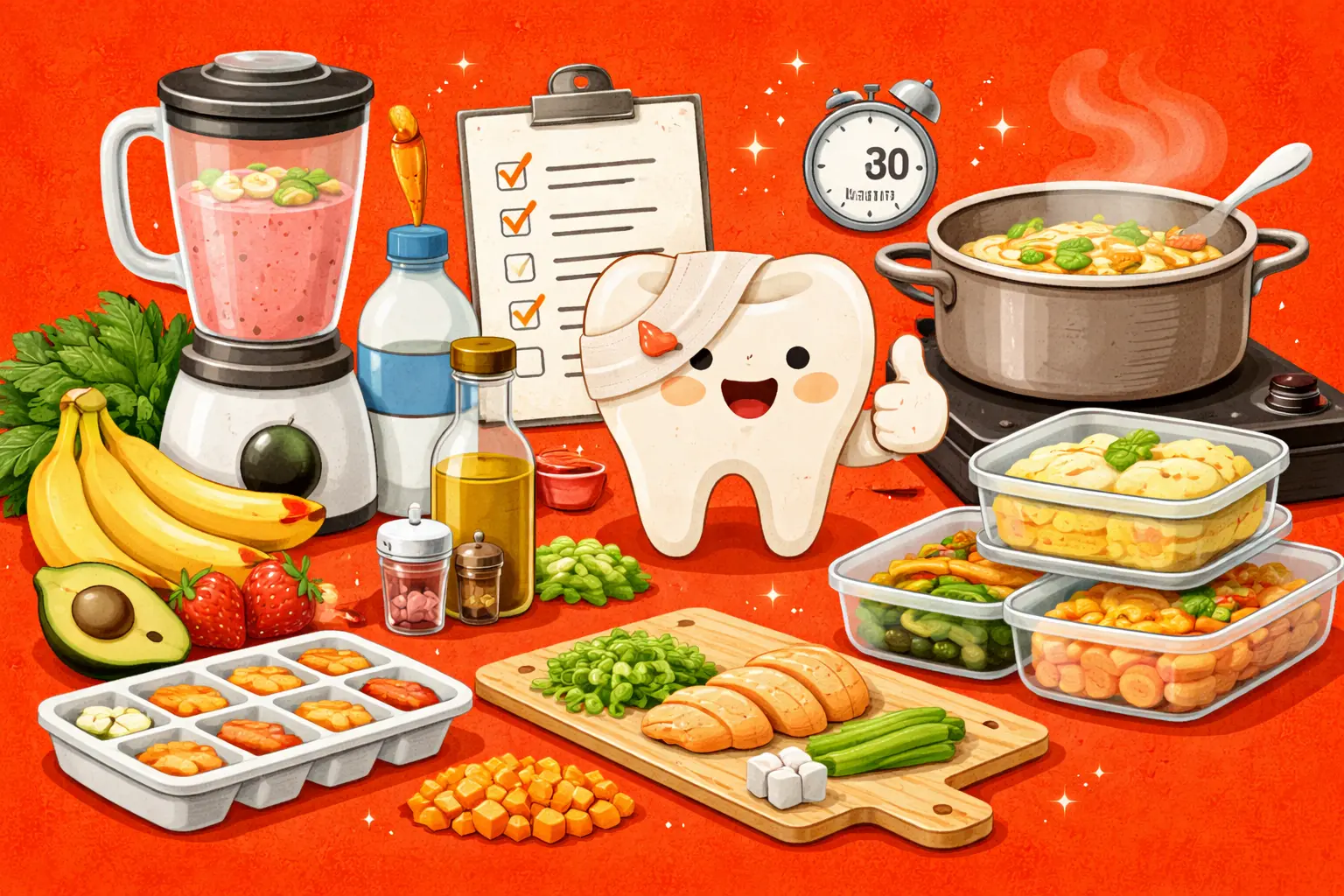
Knowing the 50 soft foods to eat after tooth extraction is half the battle; knowing how to prep them is the other.
- The Blender is Your Best Friend: Almost any meal can be made “safe” by blending it with a bit of broth or milk.
- Temperature Control: Hot foods can dissolve the blood clot. Always serve your meals “lukewarm” or co
- Small Bites: Even with soft food, taking smaller portions reduces the amount of jaw movement required.
- Salt Management: While salt is an antiseptic, too much can irritate a fresh wound. Season lightly.
When Can I Return to Regular Foods?
Most patients find they can start introducing semi-soft foods (like soft chicken or cooked rice) by day 3 or 4.
- Day 1-2: Strict liquid/ultra-soft diet.
- Day 3-7: Transition to “fork-mash able” foods.
- Day 7+: Return to a normal diet as comfort allows, but continue to avoid sharp foods like tortilla chips on the extraction side.
Why Choose Night and Day Emergency Dentist for Your Care?
An extraction is a significant procedure, and complications don’t always happen during office hours. Night and Day Emergency Dentist is the preferred choice for residents in UK because. we are available 24/7 urgent online emergency serving | in much cities of UK.
- Expert Extractions: We specialize in difficult extractions, ensuring the least amount of trauma to the surrounding tissue.
- Immediate Relief: We prioritize getting you out of pain and providing clear, actionable recovery plans.
- Local Locations: Easy-to-access clinics in the heart of your community.
Frequently Asked Questions
Conclusion
Your recovery doesn’t have to be a week of boring broth. By utilizing these 50 soft foods to eat after tooth extraction, you can keep your energy up and your body nourished while your mouth heals.
If you experience severe pain, uncontrolled bleeding, or fever after an extraction, don’t wait. Contact Night and Day Emergency Dentist immediately. We are available 24/7 to ensure your recovery stays on track.