Tooth Decay Guide Experiencing a sharp flash of pain when enjoying a cold drink or hot meal is a frequent indicator that structural enamel damage has occurred. Dealing with a cavity requires a clear understanding of the active chemical process taking place inside your mouth to protect your long term oral health.
At Night and Day Emergency Dentist, we routinely manage advanced bacterial damage and restore dental comfort for patients across the UK. This comprehensive guide outlines the biological causes of enamel breakdown, effective clinical treatments, and the exact steps needed to shield your smile from deep infections.
What Exactly is Tooth Decay and What Causes it?
To understand this widespread condition, it helps to examine the delicate biochemical balance within the oral cavity. Your mouth contains a natural ecosystem of bacteria that continuously form a soft, colorless film over your teeth called dental plaque.
When you consume carbohydrates or sugary foods, these specific oral bacteria feed on the residues and produce highly acidic waste byproducts. This concentrated acid actively dissolves vital minerals from your ultra hard outer enamel layer through a process known as demineralization.
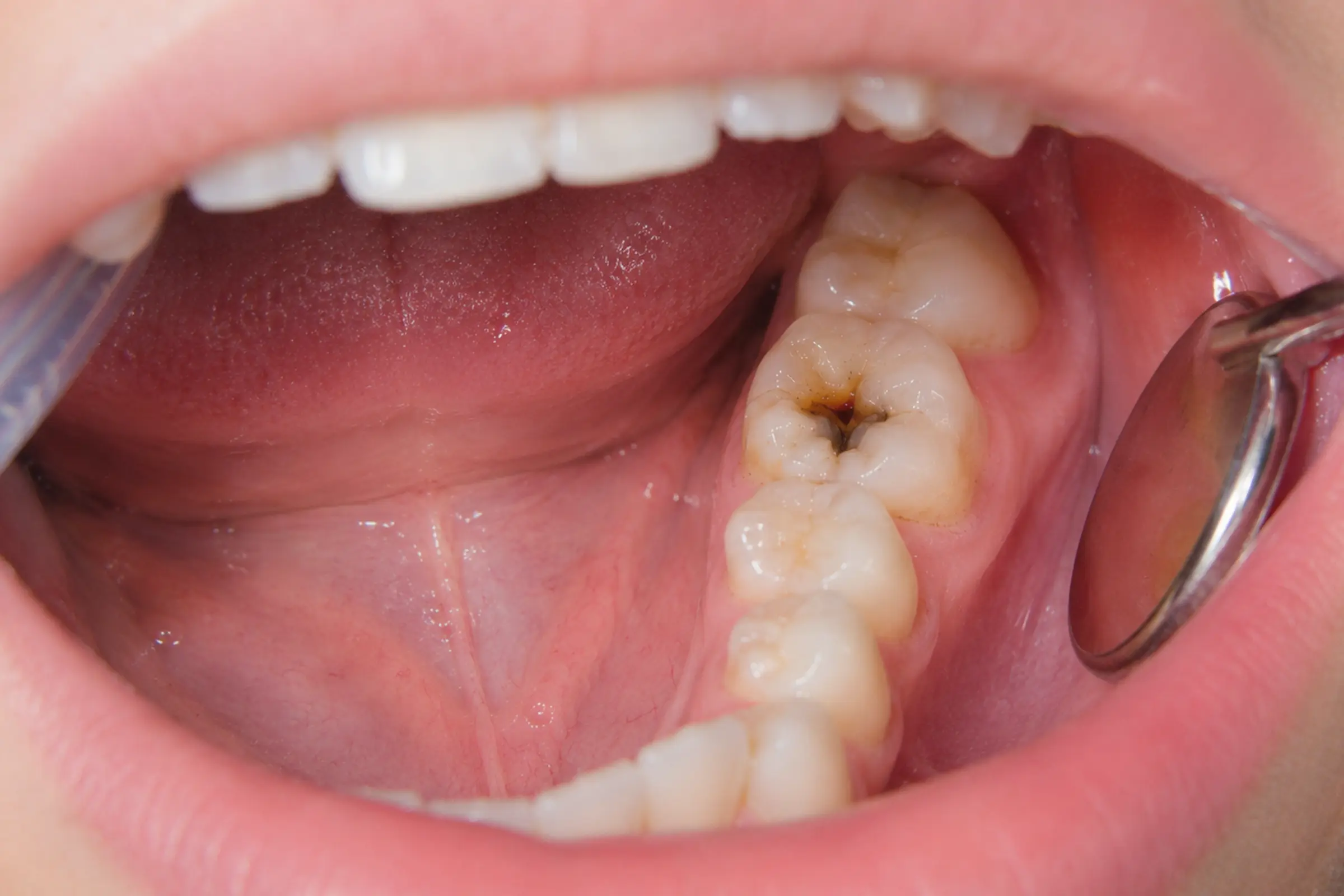
Over extended periods, repetitive acid exposure completely destroys the hard outer protective shell, leaving the structural tissue soft and porous. If this chemical breakdown continues without intervention, the surface collapses entirely, creating a permanent structural hole known as a cavity.
- Excessive Sugar Intake: Consuming carbonated soft drinks, sweets, and processed juices provides constant fuel for acid producing bacteria.
- Inadequate Brushing Routines: Failing to clean your surfaces twice daily allows plaque to mature and harden into rock solid tartar.
- Chronic Dry Mouth: A lack of natural saliva stops the mouth from neutralizing dangerous acids and washing away loose food particles.
- Frequent Snacking Habits: Grazing on sweet treats throughout the day subjects your teeth to constant, repetitive acid attacks.
The Progression of Enamel Damage
While the infection begins as a tiny, invisible surface change, it moves progressively deeper into the sensitive underlying dentin and inner pulp layers. For a detailed breakdown of how this structural infection evolves through each physical phase over time, you can read our comprehensive guide on the stages of tooth decay.
Catching the issue during its initial onset makes treatment significantly simpler and completely non invasive.
Get Professional Advice!How Can You Identify the Early Warning Signs of Tooth Decay?
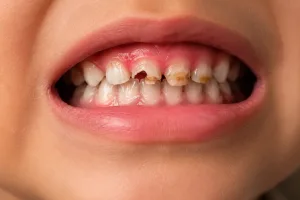
Because the initial breakdown occurs on a microscopic level, early damage rarely causes obvious physical discomfort. As the cavity breaks through the enamel boundary, several clear visual and physical indicators begin to manifest.
- Localized Temperature Sensitivity: Experiencing a brief, sharp flash of pain when consuming hot tea, ice water, or sweet foods.
- Visible Surface Discoloration: The appearance of unusual white, grey, brown, or distinct black spots on the chewing planes.
- Persistent Structural Toothache: A continuous dull throb or a sharp ache that can intensify when biting down or keeping you awake at night.
- Spontaneous Bad Breath: Anaerobic bacteria and trapped food debris inside the open cavity generate foul smelling volatile sulfur compounds.
How Do Dental Professionals Diagnose Cavities Clinically?
Accurately mapping out the depth of bacterial penetration requires a combination of detailed physical visual inspections and modern diagnostic technology. Clinicians look beyond visible surfaces to evaluate the structural integrity of your teeth.
- Visual and Tactile Inspections: Dentists use dental mirrors and specialized instruments to feel for areas of softened or sticky enamel.
- Digital Diagnostics: Utilizing high definition digital radiographs to see inside the tooth, revealing hidden decay between teeth or beneath older fillings.
- Laser Fluorescence Detection: Modern light emitting devices can measure changes in tooth density to catch structural demineralisation before a cavity forms.
Can You Naturally Reverse or Remove a Cavity at Home?
A common source of medical misinformation online is the claim that advanced structural cavities can be fully cured using natural home remedies. It is vital to understand that once a physical hole has formed in the enamel, the tissue cannot naturally grow back or heal itself.
However, if the damage is caught early before the surface enamel collapses, you can actively reverse the initial demineralization process. Increasing your exposure to topical fluoride encourages the enamel to absorb minerals, making the surface highly resistant to future acid damage.
- Spit Do Not Rinse: Avoid rinsing your mouth with water immediately after brushing to let the protective fluoride layer sit on your teeth.
- Dietary Modifications: Swap out sugary treats for mineral rich foods like plain cheese and crunchy vegetables that stimulate protective saliva.
- Targeted Interdental Cleaning: Use dental floss or specialized interdental brushes daily to clear bacteria from hidden gaps.
What Professional Treatments Resolve Advanced Tooth Decay?
When dental caries breach the enamel barrier and reach the inner structures, professional clinical intervention is the only safe way to preserve the tooth. The chosen treatment depends on how far the bacterial infection has traveled.
Managing Deep Structural Infections
For advanced situations where the decay has entirely destroyed the crowns, a full dental extraction may be necessary to stop the spread of infection. If a tooth must be removed, your clinician will discuss long term replacement options such as custom bridges or modern implants to restore your smile line.
Why Choose Night and Day Emergency Dentist for Urgent Care?
Dealing with a sudden, agonizing toothache from an advanced cavity can completely disrupt your daily life. At Night and Day Emergency Dentist, available 24/7 day & night serving across all locations in UK. we provide rapid clinical intervention to resolve pain and secure your oral health.
Our advanced surgeries operate around the clock to ensure you never have to suffer through a weekend or holiday with a severe infection. We focus on providing gentle, judgment free treatments using state of the art equipment to repair structural damage and restore complete dental comfort.
Book Your Appointment Now!Frequently Asked Questions
Conclusion
Successfully overcoming tooth decay requires prompt proactive action, regular dental checkups, and a commitment to maintaining an excellent daily oral hygiene routine. Catching the warning signs of enamel demineralization early prevents the need for extensive root canal therapies or complete extractions down the line.
The compassionate clinical teams at Night and Day Emergency Dentist remain fully prepared to support your restorative journey and protect your natural smile. Contact our emergency surgeries at any hour to receive precision diagnostics, pain relief, and premium structural care to keep your smile functional and healthy.