Imagine the sensation of having just sipped a scalding cup of tea, a searing, prickling burn that coats your tongue, roof of the mouth, and lips. Now, imagine that sensation lasting for weeks, months, or even years, even though your mouth looks perfectly normal in the mirror. This is the reality of burning mouth syndrome (BMS).
At Night and Day Emergency Dentist, we often see patients who are terrified that they have a serious infection or oral cancer because the pain is so intense. Most are frustrated because they have been told by others that “it’s all in their head” simply because there are no visible sores or redness. This guide will help you understand why this is happening, what to avoid, and how to work with dental professionals to find relief.
How Do I Know if My Mouth Burn is Serious?
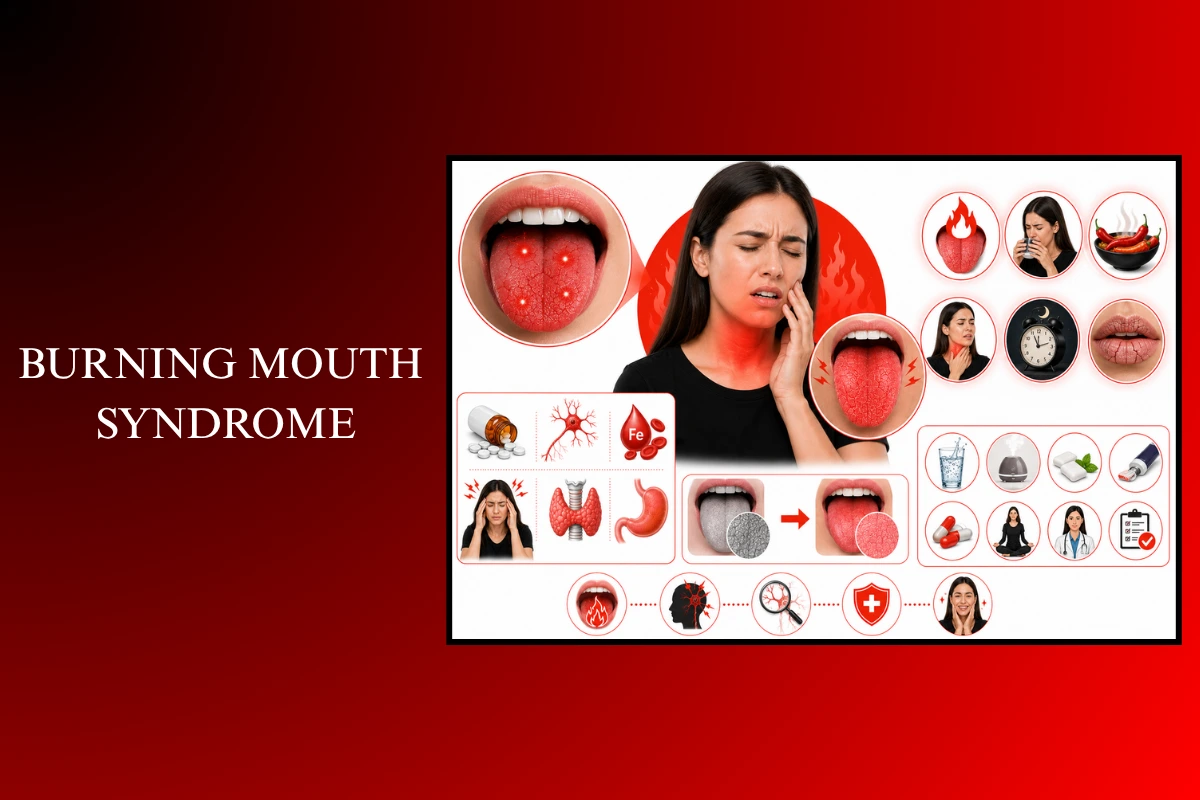
The hallmark of burning mouth syndrome is its “invisible” nature. Unlike a burnt tongue from food or a viral infection like cold sores, BMS typically presents with no clinical signs.
Common Symptoms to Look For:
- The Scalded Sensation: A burning feeling that most often affects the tongue (tip and edges), but can also involve the palate, lips, and lump on gums.
- Dry Mouth (Xerostomia): A feeling of dryness accompanied by increased emergencies thirst.
- Taste Alterations: A persistent metallic or bitter taste in the mouth.
- The “Sunset” Pattern: Often, the pain is minimal upon waking, builds throughout the day, and reaches its peak in the evening.
What Can Be Mistaken for Burning Mouth Syndrome?
Because BMS has no visible symptoms, it is often a “diagnosis of exclusion.” This means your emergency dentist must first rule out other conditions that do leave physical clues.
| Condition | Visible Signs | Distinguishing Factor from BMS |
|---|---|---|
| Oral Thrush | White, creamy patches. | Can be scraped off; responds to anti-fun gals. |
| Geographic Tongue | Red, map-like patches with white borders. | Patterns shift over time; visible on the tongue. |
| Lichen Planus | Lacy white patches or open sores. | Visible inflammatory markers in the mouth. |
| Aphthous Ulcers | Small, round white sores. | Distinct, localized painful spots. |
Primary vs. Secondary Burning Mouth Syndrome: What’s the Difference?
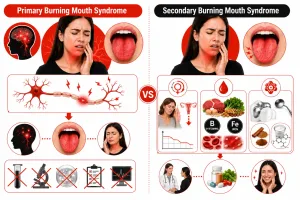
Understanding the type of BMS you have is the only way to treat it effectively.
Primary BMS (Idiopathic)
This is when no clinical or lab abnormalities can be found. It is currently believed to be a neuropathic condition, meaning the nerves responsible for pain and taste are “misfiring” or damaged. It is essentially a chronic pain syndrome of the mouth.
Secondary BMS
This is when the burning sensation is a symptom of an underlying medical issue. When the underlying cause is treated, the burning usually disappears. Common triggers include:
- Hormonal Changes: Very common in perimenopausal and menopausal women due to declining estrogen.
- Nutritional Deficiencies: A lack of B-vitamins or iron can mimic the symptoms of BMS.
- Allergies: Sensitivities to dental materials (like mercury or certain resins) or food additives (like cinnamon or benzoic acid).
What Nutritional Deficiency Causes Burning Mouth Syndrome?
Your oral tissues are incredibly sensitive to your body’s internal chemistry. If your “burn” is secondary, it is often linked to one of these four deficiencies:
- Vitamin B12: Essential for nerve health. A deficiency can cause “glossodynia” (painful tongue).
- Iron: Low iron (anemia) can cause the tongue to become smooth and painful.
- Folate (B9): Crucial for cell repair in the mouth.
- Zinc: Vital for taste bud function and oral mucosal health.
Can B12 make your mouth burn? Absolutely. In the UK, B12 deficiency is a frequent culprit, especially among those following a vegan diet or those with absorption issues like Crohn’s disease.
How Do Doctors and Dentists Treat Burning Mouth Syndrome?
Treatment is tailored to whether your condition is primary or secondary.
Secondary Treatment:
- Supplements: Prescribing Iron, B12, or Folate to correct deficiencies.
- Hormone Replacement Therapy (HRT): For menopause-related cases.
- Switching Medications: Working with your GP to find blood pressure alternatives.
Primary Treatment (Nerve Management):
- Topical Rinses: Capsaicin rinses (derived from chili peppers) can actually “desensitize” the pain receptors over time.
- Low-Dose Nerve Blockers: Medications like Amitriptyline or Gabapentin are often used to “calm” the overactive nerves in the mouth.
- Cognitive Behavioral Therapy (CBT): Since the pain is chronic, CBT can help patients manage the psychological impact and reduce the perceived intensity of the burn.
Why Choose Night and Day Emergency Dentist for BMS Concerns?
A sudden, intense burning sensation in the mouth can be incredibly frightening. At Night and Day Emergency Dentist, we offer several advantages for those struggling with oral pain:
- Exclusionary Diagnostics: We provide a comprehensive emergency exam to rule out infections, abscesses, or trauma that might be mimicking BMS.
- Immediate Reassurance: We understand the anatomy of the oral nerves. We take the time to explain why you feel pain even if we can’t see it.
- Salivary Testing: We can assess your salivary flow rates to determine if your burn is linked to clinical dry mouth.
- Urgent Referrals: If we suspect your symptoms are linked to an underlying systemic issue like B12 deficiency or Sjogren’s, we can provide the urgent reports your GP needs to fast-track blood tests.
How to Manage Burning Mouth Syndrome at Home: Helpful Tips
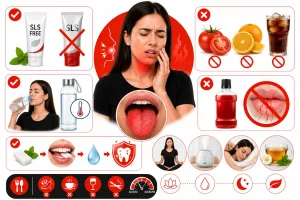
While you wait for a clinical diagnosis, these steps can help lower the “volume” of your pain:
- Switch Your Toothpaste: Avoid SLS (Sodium Lauryl Sulfate), which is a foaming agent that can irritate sensitive tissues. Look for “SLS-Free” or mild toothpastes.
- Watch the Acid: Avoid tomatoes, citrus fruits, and carbonated drinks.
- Sip, Don’t Gulp: Keep a bottle of room-temperature water with you at all times.
- Avoid Alcohol-Based Mouthwash: These will severely dehydrate your mouth and worsen the burn.
- Chew Sugar-Free Gum: This stimulates your own natural saliva, which is the best lubricant for a burning mouth.
Frequently Asked Questions
Conclusion
For many, the prognosis is positive. Secondary BMS usually resolves once the underlying cause is fixed. For Primary BMS, while there is no “instant cure,” most patients find that a combination of nerve-calming medication and lifestyle changes makes the condition manageable or even sends it into remission.
If you are suffering from a persistent, painful burn in your mouth, don’t suffer in silence. Contact Night and Day Emergency Dentist. We are available 24/7 to help you rule out emergencies and start your journey toward a pain-free smile.