The phrase “you need a root canal” is often met with a sense of dread. Most people associate the procedure with pain, but in reality, a root canal is a sophisticated rescue mission designed to save a tooth that would otherwise need to be extracted. However, the best root canal is the one you never have to get. Consistent, high-quality dental care is your first line of defense.
While some dental issues are out of your control, the vast majority of nerve infections are entirely preventable. By understanding the progression of decay and implementing a few key lifestyle shifts, you can effectively protect your pulp and keep your natural teeth for a lifetime.
If you are looking for ways to bulletproof your oral health, this guide covers everything you need to know about how to avoid root canal treatment through proactive care.
Why Do You Need a Root Canal in the First Place?
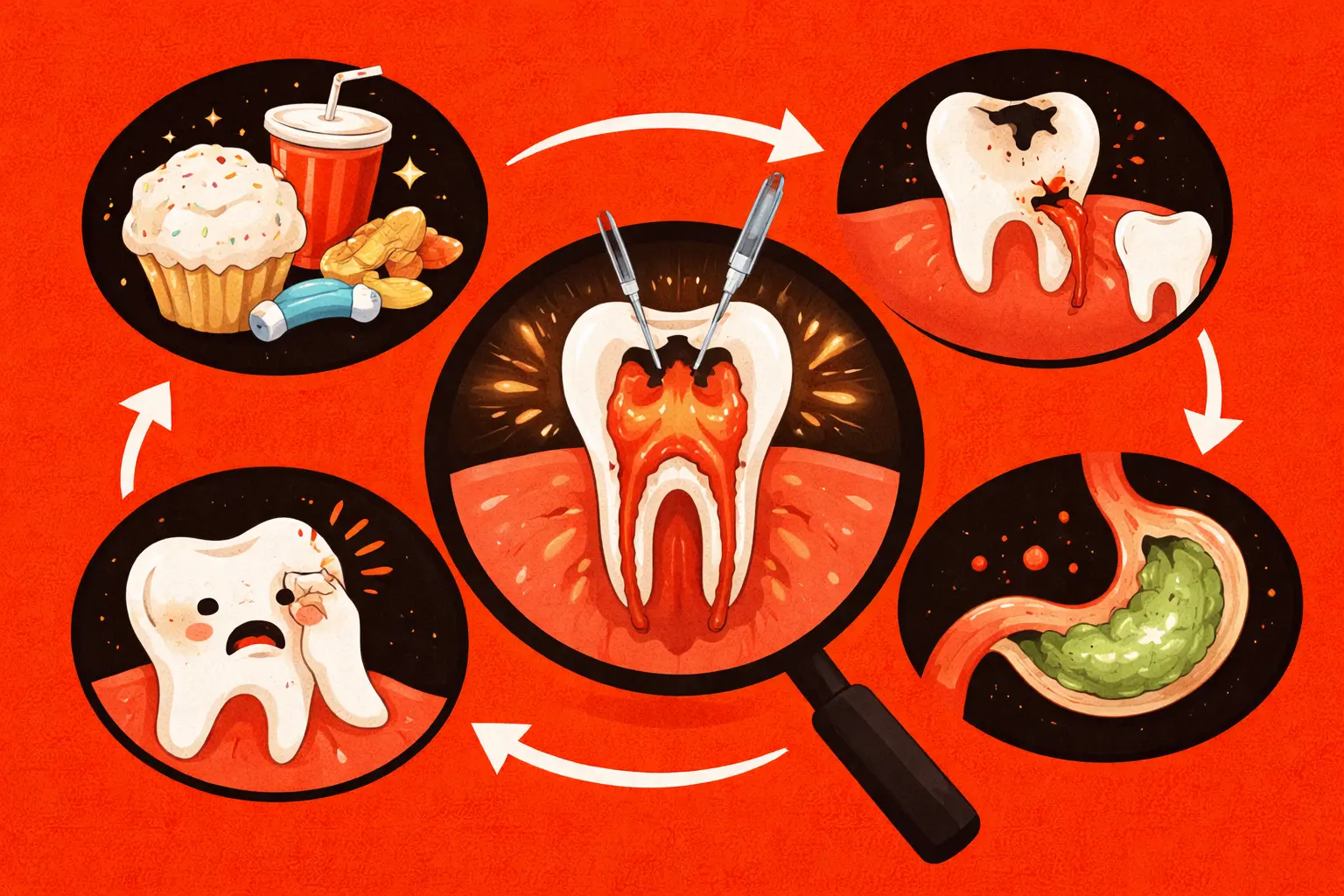
To prevent the procedure, you must understand the trigger. A root canal becomes necessary when the pulp, the soft tissue inside your tooth containing nerves and blood vessels becomes infected or irreversibly inflamed.
This usually happens due to:
- Deep Decay: Bacteria penetrating the enamel and dentin to reach the nerve.
- Fractures or Cracks: Physical damage that allows bacteria to enter the pulp chamber.
- Leaking Fillings: Old restorations that allow “micro-leakage” underneath.
- Dental Trauma: A sudden impact that severs the blood supply to the tooth.
10 Essential Tips on How to Avoid Root Canal Treatment
-
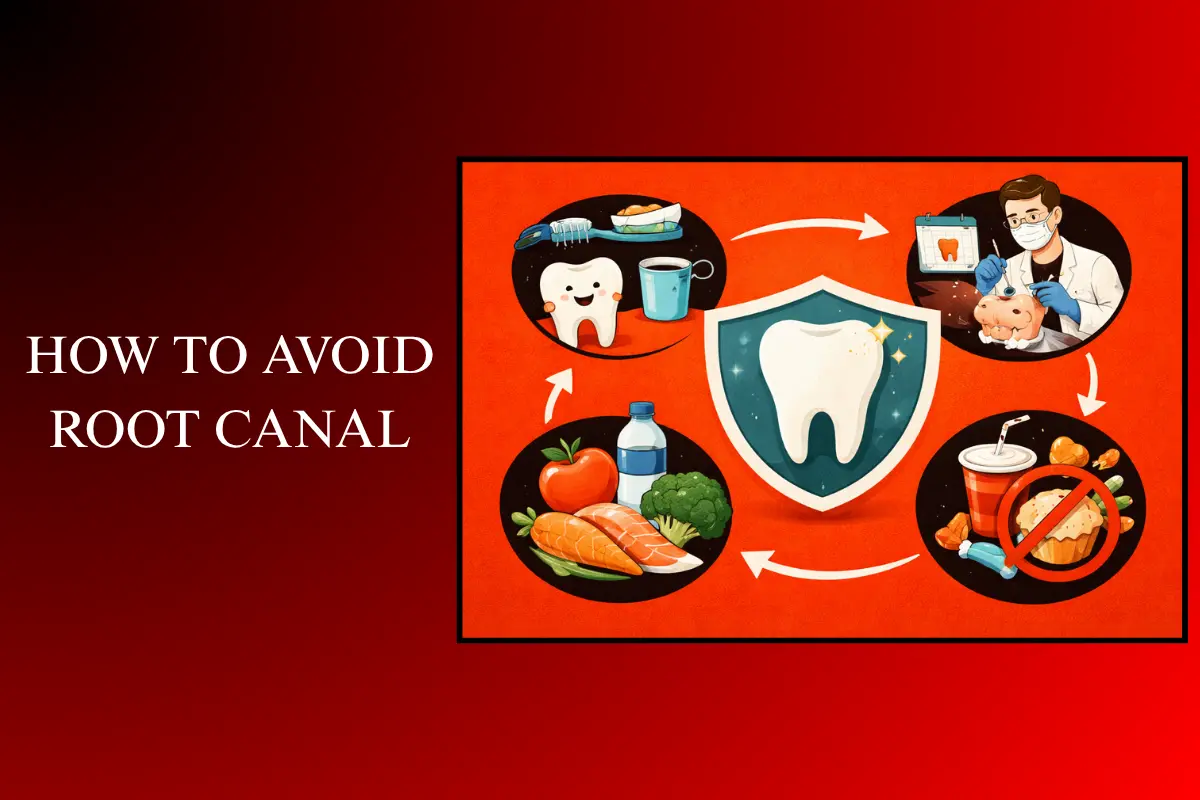
Priorities Interdental Cleaning Every Single Day
Brushing only cleans 60% of your tooth surfaces. To prevent the deep decay that leads to root canals, you must focus on the gaps between your teeth.
- Floss or use interdental brushes: This prevents “flanking” cavities that start between teeth.
- Use an electric toothbrush: They are significantly more effective at disrupting the biofilm that causes decay.
-
Don’t Let Small Cavities Become Crises
A small filling is a 30-minute fix; a root canal is a multi-hour commitment. If a dentist spots a small shadow on an X-ray, treat it immediately. Waiting until the tooth hurts usually means the bacteria have already reached the nerve.
-
Wear a Custom Night Guard if You Grind Your Teeth
Bruxism (teeth grinding) is a leading cause of “silent” root canals. The constant pressure creates microscopic fractures in the enamel. Over time, these cracks widen, allowing bacteria to seep directly into the pulp.
-
Be Wary of High-Sugar and Acidic Diets
Bacteria thrive on sugar, producing acid that dissolves your enamel. Limit sugary snacks and acidic drinks like soda. If you do indulge, rinse your mouth with water immediately after to neutralize the pH levels.
-
Protect Your Teeth During Physical Activity
Dental trauma can kill a tooth nerve instantly. If you play contact sports, always wear a professional-grade mouthguard to prevent fractures or “concussed” teeth.
-
Replace Old or Leaking Fillings Promptly
Fillings do not last forever. Over time, the seal between the filling and the tooth can break. Bacteria can then crawl underneath the old filling, rotting the tooth from the inside out where your toothbrush cannot reach.
-
Use Fluoride to Remineralizer Your Enamel
Fluoride acts as a “shield” for your teeth. It helps incorporate minerals back into your enamel, making it harder for acid to penetrate and even reversing very early-stage decay.
-
Stay Hydrated to Combat Dry Mouth
Saliva is your body’s natural tooth-cleaner; it washes away food and neutralizes acid. If you suffer from dry mouth, decay will progress much faster. Drink plenty of water to keep your saliva flowing.
-
Incorporate an Antimicrobial Mouthwash
Rinsing helps reduce the overall bacterial load in your mouth. This is particularly helpful for those with deep “pits” in their molars where food easily becomes trapped.
-
Never Skip Your Professional Dental Cleanings
Hardened plaque (tartar) cannot be removed at home. Only a dental professional can remove the buildup that leads to the gum recession and deep decay associated with root canal triggers.
Is a Root Canal Better Than an Extraction?
When a tooth is damaged, you essentially have two choices: a root canal or an extraction. Below is a comparison to help you understand why saving the natural tooth is usually the superior option.
Comparison: Root Canal vs. Extraction
| Factor | Root Canal | Tooth Extraction |
|---|---|---|
| Purpose | Saves the natural tooth by removing infection | Removes the damaged/infected tooth |
| Pain Level | Minimal pain (local anesthesia used) | More discomfort post-procedure |
| Healing Time | 1–2 weeks | 1–2 weeks (full gum healing in months) |
| Cost in the UK | £300 – £1,000+ | £50 – £350 (without replacement) |
| Long-Term Effect | Preserves tooth and jawbone health | It can cause bone loss and shifting of teeth |
Can You Truly Avoid a Root Canal with Proactive Care?
Many patients wonder if a tooth can “heal itself” once it starts hurting. The answer depends on the stage of inflammation. If the pulp is only mildly irritated (reversible pulpitis), catching the issue early with a simple filling can often save the nerve.
However, once the bacteria have caused an abscess or the nerve has begun to die (irreversible pulpitis), a root canal is the only way to save the physical tooth structure. Proactivity is the only reliable way to ensure you stay in the “reversible” category.
Why Night and Day Emergency Dentist is Your Partner in Prevention
- Prioritizing Natural Teeth: We focus on conservative, minimally invasive treatments to preserve your original tooth structure.
- Advanced Diagnostics: We use precision tools to determine if nerve damage is reversible, potentially avoiding a root canal.
- Transparent Advice: Our clinicians clearly explain the “why” behind every recommendation, putting you in control.
- “Final Hour” Expertise: We specialize in emergency interventions designed to save teeth that are on the brink of extraction.
Frequently Asked Questions
Conclusion
Learning how to avoid root canal treatment isn’t about avoiding the dentist—it’s about visiting them sooner. By treating your oral health as a proactive mission rather than a reactive crisis, you can save yourself time, money, and discomfort.
Remember, your natural teeth are superior to any implant or bridge. Protect them by catching the small issues today so they don’t become the emergencies of tomorrow.