It usually begins entirely unannounced. You could be brushing your teeth or flossing before bed when you suddenly glance in the mirror. You notice that a specific tooth looks distinctly longer than its neighbors. Alternatively, you might run your tongue along the top of a tooth. You feel a small, sharp shelf or indentation right at the gumline.
Gum recession is the gradual pulling away of the tissue from the crown of the tooth. It is an incredibly common dental issue. Because it happens progressively over months or years, many people fail to realize their gums are moving until the root structure becomes exposed.
At Night and Day Emergency Dentist, we treat patients who are shocked to discover that their recent tooth sensitivity is actually driven by tissue loss. This guide will help you identify the primary signs of gum recession, map out the causes, and outline the steps required to halt the damage. we are available online 24/7 night & day across UK.
What is Gum Recession?
Your teeth are anchored into your jawbone. They are shielded by a protective blanket of dense, pink tissue known as the gingiva.
Healthy gums create a clean seal around the neck of each tooth. This seal prevents oral bacteria from migrating down into the delicate root channels and bone.
The visible crown of your tooth is covered in ultra hard enamel. The root structure is different. It is composed of dentin and wrapped in a much softer substance called cementum.
When your gums pull back, this vulnerable root is exposed directly to your mouth. Unprotected roots quickly decay, develop painful notches, and open a pathway for deep dental infections.
How to Spot Signs of Gum Recession?
Because the tissue recedes at a slow rate, catching the condition early requires knowing the secondary markers.
Look out for these common indicators:
- Localized Tooth Sensitivity: You experience a sharp flash of pain when drinking ice cold water, sipping hot tea, or breathing in cold winter air.
- The Long Tooth Appearance: As the margin drops, more of the tooth structure is revealed, altering the look of your smile line.
- A Visual or Physical Notch: You feel a distinct step or horizontal ridge right at the junction where your tooth meets your gumline.
- A Darker Shade Near the Gums: The root structure is naturally a darker, yellow or cream shade compared to the white enamel crown.
- Persistent Bad Breath: When gums recede, they create loose pockets around the roots. Food particles and bacteria pool deep inside these pockets.
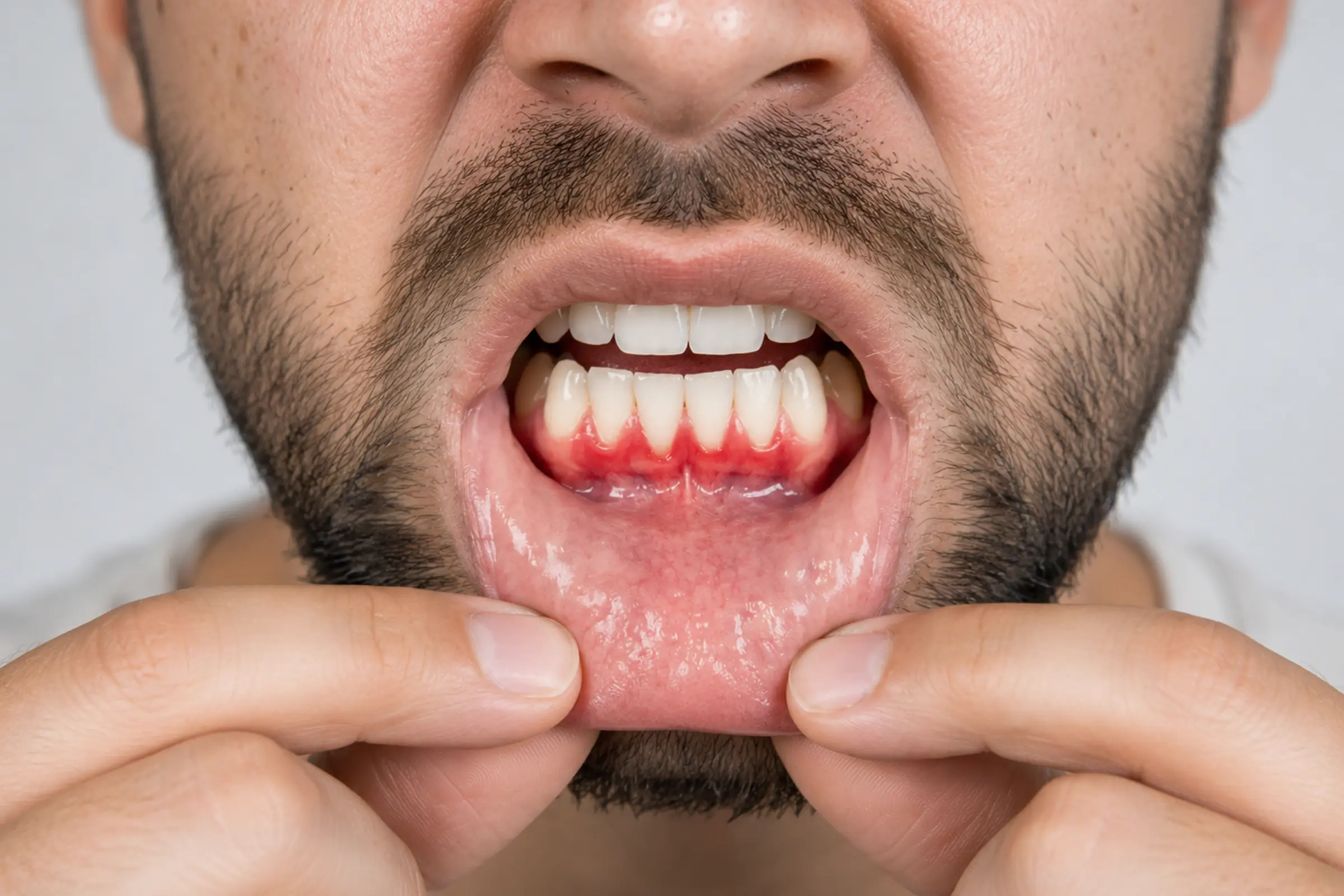
- Minor Bleeding and Redness: If your recession is driven by active gum disease, your tissues will look puffy, dark red, and bleed during flossing.
What are the Stages of Receding Gums?
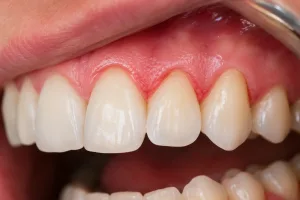
Dentists categorize the progressive loss of the gum border into distinct phases. Monitoring these stages determines the proper treatments path.
Gingival Recession Severity Matrix
| Clinical Phase | Tissue Description | Structural Status | Primary Treatment Path |
|---|---|---|---|
| Stage 1: Early | Very mild detachment; minimal root exposure. | The underlying bone remains fully intact; no tissue loss between teeth. | Switching to soft brushes; professional hygiene cleanings. |
| Stage 2: Moderate | The gum line drops close to the junction of the moving mucosa. | Enamel root boundary is visible; zero bone loss between teeth. | Topical desensitizers; composite shielding; bite adjustments. |
| Stage 3: Advanced | Deep recession extending past the attached tissue band. | The bone between the teeth begins to shrink; roots look highly exposed. | Periodontal root planing; custom night guards for grinding. |
| Stage 4: Severe | Widespread tissue loss around the entire circumference of the tooth. | Severe structural bone loss; teeth may feel mobile or loose. | Advanced gum grafting surgery; splinting; restorative options. |
Why Does Recession Affect Bottom Teeth?
Patients frequently report seeing prominent signs of gum recession bottom teeth before noticing changes on their upper arch. This specific layout is driven by several mechanical factors.
Saliva naturally pools along the floor of the mouth. It carries a high concentration of minerals that accelerate the hardening of plaque into rock hard tartar behind the lower front teeth. This sharp tartar acts as a physical wedge, continuously pushing the delicate lower gum line down. Your lower lips are connected to your gums by thin bands of muscular tissue called frena. If a lower frenum attachment applies excessive tension when you speak or chew, it physically pulls the lower gum margin downward over time.
The bone wrapping around your lower front incisors is naturally thin. Any minor trauma or localized inflammation can cause this thin layer of bone to disappear rapidly. This causes the overlying gum tissue to immediately collapse.
At What Age do Gums Recede?
A common misconception is that gum tracking is exclusively a condition of old age. While the prevalence of recession increases as we grow older due to decades of mechanical wear, it is not an inevitable consequence of aging.
In modern dental clinics, we routinely diagnose advanced receding gums in 20s and 30s. When young adults show prominent tissue tracking, it is rarely driven by age.
Instead, it is almost always caused by aggressive brushing techniques, localized alignment issues, orthodontic treatment, or a genetic predisposition to having thin gum tissue.
Book Your Appointment Now!What Causes Receding Gums?
Halting the progression of tissue loss requires identifying the exact behavioral or physical triggers driving the destruction.
- Aggressive Brushing: Using a medium or hard bristled toothbrush wears down delicate gum tissue just like sandpaper.
- Untreated Gum Disease: Chronic bacterial infections trigger an immune response that actively dissolves the supporting jawbone.
- Teeth Grinding: Clenching and grinding your teeth at night places immense pressure on the necks of your teeth. This flexing motion forces the gum margin to recede.
- Misaligned Teeth: If a tooth sits outside the natural dental arch, it lacks adequate bony support, making the overlying gum tissue highly unstable.
- Tobacco and Vaping: Nicotine restricts the critical blood flow to your tissues, starving them of oxygen and nutrients while masking the early warning signs of gum bleeding.
Is Gum Recession Reversible?
One of the most frequent questions patients ask is whether their gums can naturally grow back once they improve their oral hygiene routine. It is vital to understand that lost gum tissue cannot grow back on its own. Unlike your skin, which can regenerate after a scrape, gingival tissue does not possess the biological capability to climb back up a tooth root.
Therefore, treatment focuses on two goals: halting the current recession from worsening and manually rebuilding the lost border using advanced dental restorations or micro surgery.
Schedule Your Visit Today!Why Choose Night and Day Emergency Dentist?
Managing changing gum margins requires prompt diagnostics and an empathetic clinical approach. We provide dedicated support for patients navigating periodontal changes.
- Urgent Pain Relief: If exposed roots have left you with agonizing nerve sensitivity that prevents you from eating comfortably, our 24/7 surgeries can instantly apply professional desensitizing varnishes to block the pain.
- Precision Tartar Removal: Our clinicians utilize gentle ultrasonic scalers to remove the rock hard tartar deposits hiding deep inside receded pockets, instantly stopping the irritation driving the tissue loss.
- Bite Mapping and Night Guards: If your recession is being accelerated by severe stress or nighttime grinding, we can map your bite pressures and design custom guards to safely deflect structural forces away from your delicate gum margins.
- 24/7 Safety Net Access: If an exposed root suddenly becomes infected or causes significant bleeding during the night, our emergency teams remain open around the clock to provide swift, targeted care.
Frequently Asked Questions
Conclusion
Discovering the early signs of gum recession can feel alarming, but it is an invaluable opportunity to step in and protect your long term oral health. Because your tissue serves as the primary barrier protecting your jawbone, ignoring its progressive loss opens the door to deep decay and eventual tooth loss. By adjusting your brushing pressure, eliminating tartar buildup through regular professional cleanings, and managing underlying triggers like teeth grinding, you can successfully halt the recession in its tracks.
If you are worried about the position of your gum line, are struggling with painful root sensitivity, or require an urgent assessment, contact the team at Night and Day Emergency Dentist immediately. We are available 24/7 to provide the professional protection, structural shields, and expert clinical guidance you need.