In the age of social media, the quest for a “perfect” smile has led millions to reach for over-the-counter solutions. Among the most popular are DIY whitening strips. They are convenient, affordable, and promise dramatic results. However, the most pressing question in our consultation rooms remains: “Are teeth whitening strips safe?”
At Night and Day Emergency Dentist, we often see the “aftermath” of DIY whitening, patients with extreme sensitivity, chemical gum burns, or uneven results. While many strips are safe when used correctly, the market is flooded with unregulated products that can cause permanent damage to your enamel. This guide breaks down the science, the UK legalities, and the risks you need to know before you apply that first strip.
How Do Whitening Strips Actually Change Your Tooth Color?
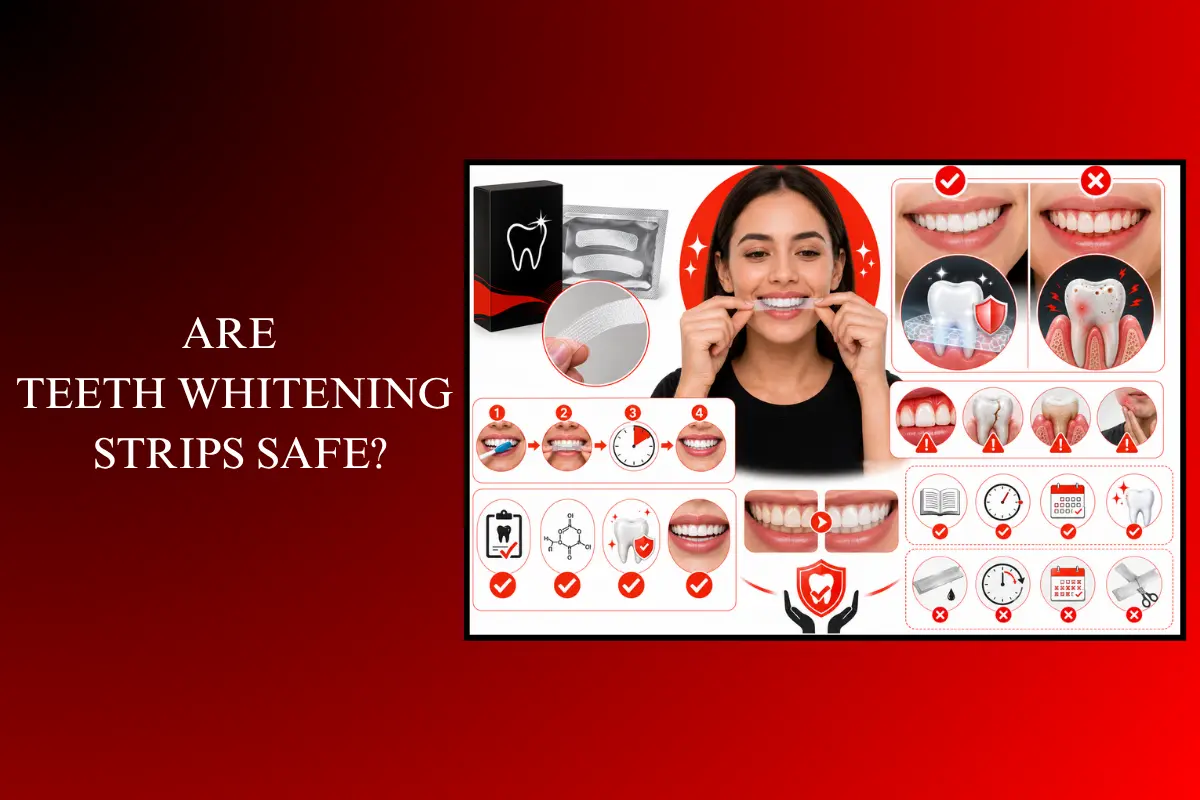
To understand if they are safe, you have to know what they are doing to your biology. Whitening strips are thin, flexible pieces of plastic coated with a whitening gel, whitening teeth color typically containing Hydrogen Peroxide (H2O2) or Carbamide Peroxide.
- The Diffusion Process: The peroxide penetrates the porous enamel to reach the dentin (the layer underneath).
- Oxidation: It breaks down the long-chain stain molecules that cause discoloration.
- The UK Legal Limit: In the UK, over-the-counter products are legally limited to 0.1% hydrogen peroxide. By comparison, professional kits utilized by emergency dentists can safely contain up to 6%.
Are Teeth Whitening Strips Safe For Your Enamel And Gums?
The short answer is yes, provided they are UK-regulated and used as directed. However, the safety profile changes significantly depending on the ingredients and the health of your mouth.
The Enamel Question
Enamel is the hardest substance in the human body, but it is not invincible. High-acid formulas or excessively high peroxide concentrations can “etch” the enamel, making it more porous. This not only causes pain but can actually make your teeth stain faster in the long run because the surface is no longer smooth.
The Gum Risk
Whitening strips are “one-size-fits-all” shapes. Because they aren’t custom-moulded to your teeth, the whitening gel often comes into direct contact with your gum tissue. Peroxide is a bleaching agent; when it sits on the soft tissue of the gums, it can cause chemical burns, resulting in white spots, soreness, and even receding gums if used excessively.
Get Experts Advice!
Whitening Safety Matrix: UK vs. International Products
| Feature | UK-Regulated Strips (OTC) | US/Imported Strips | Professional Dental Whitening |
|---|---|---|---|
| Peroxide Strength | Max 0.1% (Very Low) | Can be 6%–14% (High) | Up to 6% (Regulated) |
| Safety Profile | Very Safe, but slow. | High risk of “zingers” & burns. | Highest (Clinical Oversight). |
| Enamel Protection | High. | Moderate to Low. | High (includes desensitizers). |
| Legal to Sell in UK | Yes. | No (often sold via 3rd parties). | Yes. |
What Are The Common Side Effects Of Whitening Strips?
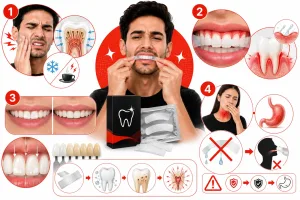
Even if you use the safest products, your mouth may react. People frequently asks about these symptoms:
- Tooth Sensitivity (“Zingers”): This is the most common side effect. It happens because the peroxide opens the “tubules” in your dentin, allowing temperature changes to hit the nerve more directly.
- Gum Irritation: As mentioned, this is usually due to the gel leaking onto the soft tissue.
- Blotchy Results: If your teeth are slightly crooked or have varying levels of plaque, the strips won’t sit evenly, leading to “white spots” or uneven shades.
- Safe to Swallow? While accidentally swallowing a tiny amount of the gel on the strip is generally harmless, you should never intentionally ingest it. It can cause minor throat irritation or an upset stomach.
Are Teeth Whitening Strips Safe For Kids And Teenagers?
We are seeing an increase in 12 to 16-year-olds asking for whitening. However, dentists generally advise against this.
- Pulpal Size: Teenagers have larger “pulps” (the nerve chamber) than adults. This makes them significantly more susceptible to extreme pain and nerve inflammation from whitening agents.
- Enamel Maturation: Young enamel is still “maturing.” Using harsh chemicals too early can interfere with the long-term health of the tooth.
- Legal Age: In the UK, professional whitening is generally restricted to those aged 18 and over, unless there is a specific clinical need.
Why Don’t My Teeth Stay White After Using Strips?
Many users complain that their “pearly whites” fade within weeks. This is usually due to:
- The “Rebound” Effect: Strips often dehydrate the teeth, making them look whiter than they actually are. Once the teeth rehydrate, the shade “rebounds” to a darker tone.
- Porous Enamel: If the strips were too harsh, the “roughed up” enamel surface picks up stains from coffee, tea, and red wine more easily than before.
Why Choose Night and Day Emergency Dentist for Whitening Concerns?
A DIY whitening session can quickly turn into a dental emergencies if a “zinger” becomes a persistent, throbbing ache. At Night and Day Emergency Dentist, we provide the safety net UK patients need:
- Emergency Sensitivity Treatment: If a whitening strip has caused unbearable nerve pain, our clinics can provide immediate desensitizing treatments to calm the nerve.
- Gum Burn Care: We treat chemical burns caused by unregulated whitening products, ensuring your gum tissue heals without permanent recession.
- Transparent Advice: We don’t just “sell” whitening. We perform a full health check. If you have a hidden cavity, whitening will be excruciatingly painful. We find those issues before you start.
- The Safer Path: We can guide you toward professional, UK-regulated options that provide 10x the results of strips with 0% of the guesswork.
What Is The Healthiest Way To Whiten Yellow Teeth?
If you want to avoid the risks of strips, consider these dentist-approved methods:
- Scale and Polish: Often, what looks like “yellow teeth” is just tartar buildup. A professional cleaning can brighten your smile by 1-2 shades instantly.
- Airflow Polishing: A high-pressure stream of water and bicarbonate powder that removes deep surface stains without any chemicals.
- Professional Home Kits: Custom-mounded trays that keep the gel on your teeth and off your gums.
Frequently Asked Questions
Conclusion
So, are teeth whitening strips safe? When purchased from a reputable UK retailer and used sparingly, they are a low-risk way to brighten your smile. However, they are not a substitute for professional care.
The biggest danger comes from “off-market” products with high peroxide levels that bypass UK safety laws. If you experience sharp pain, bleeding gums, or uneven patches, stop using the product immediately. Your enamel is the only set you’ll ever get, don’t trade its long-term health for a temporary shade of white.
If you’re in pain or worried about damage caused by a whitening product, contact Night and Day Emergency Dentist. We are available to assess your smile and provide the professional care you need to whiten safely and effectively.