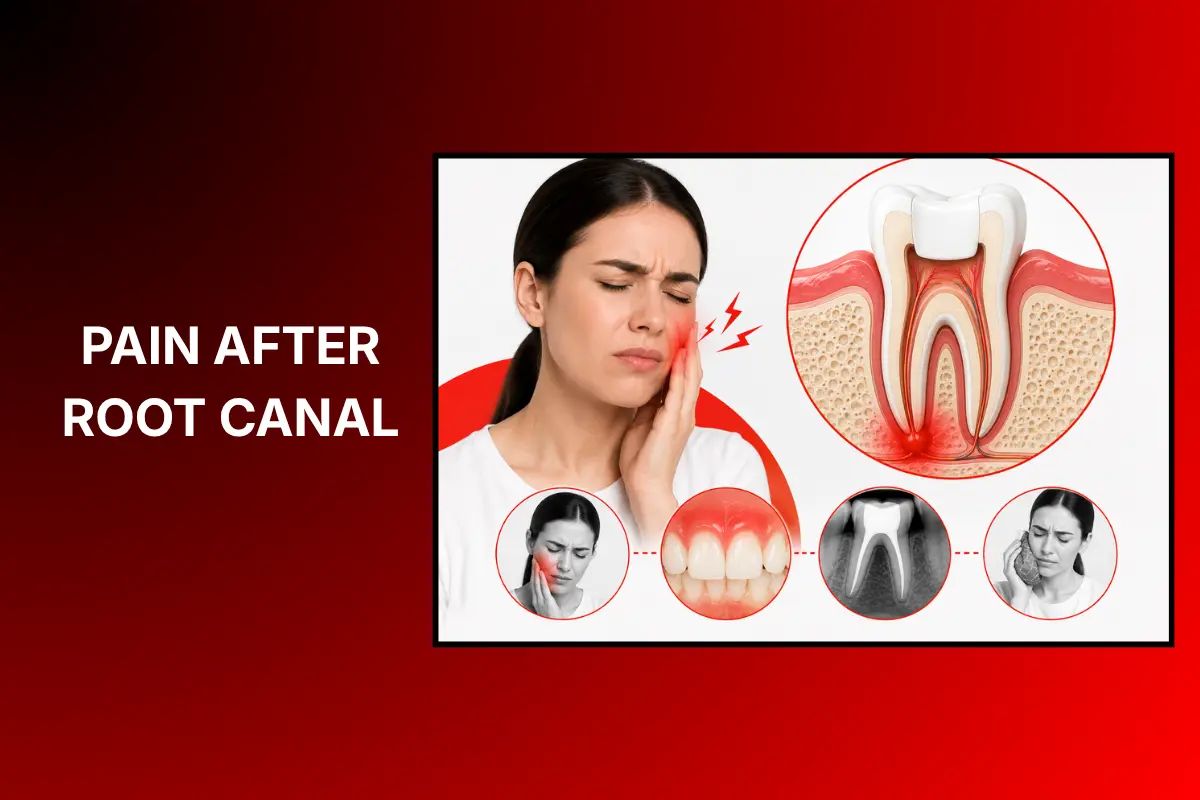
pain after root canal treatment can feel deeply alarming. Sitting in a dental chair for an endodontic procedure is usually done to get rid of an unbearable toothache. Because! A common wave of panic sets in: The dentist told me they removed the nerve, so why on earth does the tooth still throb? Did the treatment fail?
At Night and Day Emergency Dentist, we treat thousands of patients navigating the delicate hours following root canal therapy. The first thing you need to understand is that some discomfort is a completely normal part of the biological healing process. However, knowing where normal healing ends and a dental emergency begins is vital. This comprehensive guide will explain the science behind post-treatment tooth sensitivity, how to manage it, and when you need immediate clinical intervention.
How Long Does Normal Pain After a Root Canal Last?
In a standard, uncomplicated case, normal post-operative discomfort peaks within 24 to 72 hours after the local anesthetic wears off. During this initial window, you can expect a mixture of mild throbbing, localized tenderness, and jaw stiffness from holding your mouth open during the treatment.
By day four or five, the pain should steadily decrease, transitioning from an active ache to a faint awareness when you bite down. If you grade your discomfort on a typical clinical scale of 1 to 10:
- Days 1–2: A manageable score of 3 to 5 (controlled easily with over-the-counter painkillers).
- Day 4 and beyond: The score should drop down to a 1 or 2.
If your pain level stays at an intense 7 or higher after the third day, or if it suddenly spikes after completely disappearing, your body is signaling that something requires a professional assessment.Get Advice From Expert!
Root Canal Recovery Matrix: What is Normal vs. Abnormal?
To help you monitor your recovery, this timeline table compares expected healing signs with red flags that point to potential complications.
Post-Treatment Symptoms Timeline
| Timeline | Expected Healing Signs (Normal) | Warning Flags (Contact a Dentist) |
|---|---|---|
| Hours 1–6 | Numbness fading; structural tenderness; mild oozing from gums. | Absolute inability to open your mouth; severe swelling of the cheek. |
| Days 1–2 | Constant dull ache; tenderness when tongue touches the tooth; jaw stiffness. | Intense, throbbing pain that keeps you awake despite taking maximum medication. |
| Day 3 | Pain begins to subside; tooth only hurts when pressed firmly. | Visible swelling on the gums resembling a small pimple or blister. |
| Days 4–7 | Pain is virtually gone; slight awareness during heavy chewing. | Active, foul-tasting discharge; return of severe hot/cold sensitivity. |
| Week 2+ | Zero pain; tooth feels completely identical to its neighbors. | Continued inability to chew or a persistent, deep ache in the bone. |
Why Does a Root-treated Tooth Hurt Specifically When Biting?

Experiencing discomfort when putting pressure on the tooth is the single most common complaint following endodontic therapy. There are two primary reasons why this happens:
1. Periapical Tissue Bruising
The tissue at the very tip of the root (the apex) takes the brunt of the pressure during treatment. When you bite down, you push the tooth slightly down into its inflamed, bruised socket. Think of it like pressing a finger onto a fresh bruise on your arm it won’t hurt until you apply pressure.
2. A “High” Temporary Filling or Crown
After a root canal, the tooth is typically sealed with a temporary filling or built up for a dental crown. If this restoration is even a fraction of a millimeter too high, it will strike the opposing tooth first whenever you chew. This constant, repetitive micro-trauma prevents the underlying ligament from healing, causing severe, localized pain after root canal treatment that will not resolve until a dentist files down the high spot.
What are the Primary Causes Of Severe Pain After Root Canal Therapy?
When post-operative pain goes beyond standard soreness, it is usually driven by specific clinical complications under the surface.
[Image: An X-ray graphic showing a curved root canal with an highlighted “accessory canal” that was missed during a standard procedure.]
- Missed or Accessory Canals: Human teeth are anatomically complex. Molars can have hidden, microscopic branches or accessory canals. If a dentist misses one of these tiny pathways, infected nerve tissue remains trapped inside, causing ongoing, severe throbbing.
- Chemical Extrusion: The powerful antimicrobial solution (sodium hypochlorite) used to sterilize the tooth can occasionally push past the root tip into the surrounding bone cavity. This causes immediate, acute chemical inflammation.
- Overfilled or Underfilled Canals: If the rubber-like sealing material (gutta-percha) is pushed too far beyond the root tip, it acts as a foreign object in the bone. Conversely, if it is underfilled, a pocket remains where bacteria can re-colonize.
- Microscopic Root Fractures: If the tooth has an undetected hairline crack running vertically down the root into the bone, the tooth cannot be saved. The crack acts as a gateway for bacteria, leading to a persistent, sharp ache whenever pressure is applied.
How Can You Safely Manage Normal Discomfort at Home?
If your symptoms align with the normal healing criteria, you can significantly accelerate your recovery using these dentist-approved steps:
- Strategic Anti-Inflammatories: The discomfort is driven by tissue inflammation, making anti-inflammatory medications highly effective. For most patients, taking standard ibuprofen (if medically safe for you) on a strict schedule for the first 48 hours is the best way to keep inflammation from peaking.
- The Dual-Action Protocol: If ibuprofen alone isn’t managing the ache, alternating it with paracetamol every few hours creates a highly effective pain-management routine without stepping up to heavy prescription drugs.
- Cold Therapy: Applying an ice pack wrapped in a cloth to the outside of your jaw for 15 minutes at a time during the first 24 hours helps constrict blood vessels and minimizes localized swelling.
- Saltwater Baths: Gently bathing your mouth with warm salt water (one teaspoon of salt in a glass of warm water) helps soothe irritated gums around the treated tooth and keeps the area clean.
What Should You Absolutely Avoid Doing After a Root Canal?
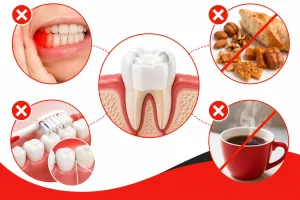
Improper aftercare can easily turn a normal recovery into an emergency. Protect your investment by avoiding these common mistakes:
- Do Not Chew on the Treated Side: Until the tooth receives its permanent crown or final restoration, it is physically weakened and highly vulnerable to fracturing. Stick to soft foods and chew entirely on the opposite side of your mouth.
- Avoid Hard, Sticky, or Crunchy Foods: Foods like nuts, crusty bread, and toffee act like wedges. They can easily dislodge temporary fillings or snap a fragile, root-treated tooth.
- Do Not Skip Oral Hygiene: Some patients are so afraid of touching the tooth that they avoid brushing entirely. This allows plaque to accumulate, increasing the risk of a secondary infection. Brush gently with a soft-bristled brush, and avoid snapping floss downward onto the temporary filling.
- Avoid Hot Drinks While Numb: It can take several hours for local anesthesia to completely wear off. Avoid drinking scalding tea or coffee during this time, as you could easily burn your cheek or tongue without realizing it.
When Should You Contact Night and Day Emergency Dentist for Your Pain?
While mild discomfort is to be expected, you should never have to suffer through excruciating pain or worry in silence. At Night and Day Emergency Dentist, we operate as a vital safety net for patients experiencing post-endodontic complications outside regular working hours.
You should contact our 24/7 emergency clinics immediately in variables cites of UK if you experience any of the following:
- Visible or Progressively Worsening Swelling: If your cheek, jaw, or gums begin to swell, it indicates an active, spreading mouth infection that requires immediate drainage or emergency antibiotics.
- Unmanageable Pain: If your pain after root canal therapy is so severe that it leaves you unable to sleep or function, even after taking maximum doses of over-the-counter painkillers.
- A Lost Temporary Filling: If the temporary seal falls out completely, the sterile interior of your tooth is exposed to saliva and mouth bacteria, threatening to ruin the entire treatment within hours.
Our emergency teams are specifically equipped with high-definition digital imaging to quickly identify missed canals, fractures, or periapical abscesses. We focus on providing swift pain relief and structural stability, giving you total peace of mind when your regular dentist is unavailable.
Frequently Asked Questions:
Conclusion
Experiencing pain after root canal treatment can feel unsettling, but in the vast majority of cases, it is simply your body’s natural inflammatory response working to repair bruised tissues. Treat the area gently, stick to soft foods, and give the surrounding ligament a few days to fully settle down. However, never feel like you have to tough it out through an agonizing night.
If your pain feels wrong, if swelling begins to develop, or if you simply need an expert opinion to give you peace of mind, remember that the team at Night and Day Emergency Dentist is available around the clock. We are here to ensure your recovery is safe, controlled, and completely comfortable.