When most people think about oral health, two habits come to mind first: daily brushing and regular flossing. Keeping your teeth clean is essential, but surface care is only half of the story. The internal strength of your teeth and the resilience of your gums depend heavily on the nutrition your whole body receives, and one nutrient in particular plays a role that is often missed.
That nutrient is Vitamin D. Often called the sunshine vitamin, it acts as a key regulator of tissue repair, bone density and immune protection throughout the body. According to guidance published by the NHS and the Scientific Advisory Committee on Nutrition (SACN), low Vitamin D status is widespread across the UK population and is linked to weaker bones and reduced immune resilience, two factors that also shape the health of your teeth and gums.
This article looks at how Vitamin D supports tooth decay prevention and gum health, what UK government health bodies say about deficiency risk, and the practical, evidence based steps you can take to protect your smile all year round.
Book Your Appointment Now!-
The Shield Against Tooth Decay: Enamel Remineralisation
Tooth enamel is the hardest substance in the human body and acts as a protective shield over the sensitive inner dentin and nerve tissue. Despite its strength, enamel is under constant attack. Everyday acids from food, drink and oral bacteria strip essential minerals from the tooth surface, a process known as demineralisation.
To counter this, saliva continuously deposits minerals back into the enamel through a repair process called remineralisation. This natural system relies almost entirely on two minerals: calcium and phosphate. This is where Vitamin D becomes essential, because without adequate levels, the gut cannot absorb calcium efficiently, regardless of how much dairy or mineral rich food is eaten.
When Vitamin D levels drop, several things happen at once:
- The body struggles to deposit calcium into developing or repairing enamel.
- Teeth become structurally weaker, more porous and more prone to sensitivity, which is one of the reasons people often develop sensitive teeth alongside weaker enamel.
- Cavity forming bacteria penetrate the enamel more easily, accelerating tooth decay and increasing the risk of unplanned emergency dental visits.
-
Fighting Gum Inflammation and Periodontitis
While tooth decay affects the hard enamel, gum disease, known clinically as periodontitis, attacks the soft tissue and bone that support your teeth. It usually begins as gingivitis, marked by red, swollen or bleeding gums, and left untreated it can progress to tissue destruction, loose teeth or tooth loss.
Chronic gum infection is also a common contributor to persistent bad breath that will not clear with brushing alone. Vitamin D protects the gums through two biological pathways: controlling inflammation and producing natural antimicrobial compounds.
Pathway One: Immune and Inflammation Control
Gum disease is fundamentally an inflammatory response. When plaque bacteria build up along the gumline, the immune system sends white blood cells to fight the infection. An overactive immune response, however, causes collateral damage, breaking down the very tissue and bone holding the teeth in place.
Vitamin D acts as an immune modulator, suppressing excessive inflammatory signals known as cytokines and helping keep the immune response balanced.
Pathway Two: Production of Antimicrobial Peptides
Vitamin D also triggers the body’s production of natural antimicrobial proteins such as cathelicidin and defensins. These peptides work like built in antibiotics, directly disrupting harmful bacterial colonies living in deep gum pockets.
Observational studies consistently show that patients with chronic periodontitis have significantly lower blood levels of Vitamin D than people with healthy gums, and adequate levels are also linked to faster healing after deep cleaning or gum surgery, similar to the recovery support your body needs when managing pain after a root canal.
-
The UK Challenge: Why Vitamin D Deficiency Is So Common
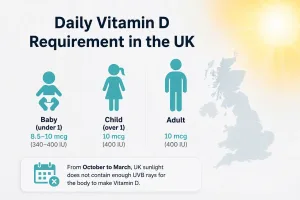
In the UK, maintaining healthy Vitamin D levels is a genuine geographic challenge. The body produces Vitamin D naturally when ultraviolet B (UVB) sunlight reaches the skin, but between October and March, UK sunlight does not contain enough UVB radiation for the skin to make Vitamin D at all. This is confirmed directly by NHS guidance on getting Vitamin D from sunlight.As a result, millions of people across the UK unknowingly live with low Vitamin D throughout the winter months, leaving bone density and oral tissue health vulnerable at exactly the time of year when colds, stress and dietary changes already put extra pressure on the immune system.
It is also worth noting that low Vitamin D and calcium status can indirectly worsen enamel wear caused by other conditions, including the type of enamel erosion described in our guide to acid reflux and its effect on teeth.
-
Practical Steps to Support Your Oral Health
Protecting your enamel and gums calls for a layered approach that combines daily oral hygiene, professional dental care and proper internal nutrition.
Eat Vitamin Rich Foods
Diet alone rarely provides all the Vitamin D the body needs, but nutrient dense foods offer valuable foundational support. Good dietary sources include:
- Fatty fish such as salmon, mackerel, sardines and trout.
- Egg yolks and quality butter.
- Fortified products including plant milks, breakfast cereals and fat spreads.
What the Research Says
Clinical reviews show a consistent pattern: people with sufficient serum Vitamin D levels tend to have significantly lower rates of dental caries. A widely cited meta analysis of clinical trials involving thousands of participants found that maintaining sufficient Vitamin D levels reduced the risk of tooth decay by roughly 47 percent. The Office for Health Improvement and Disparities (OHID) similarly identifies nutrition as one of the key modifiable factors in reducing tooth decay rates across the UK.
Follow Official Supplement Guidance
Because dietary sources are limited, Public Health England and the NHS recommend that adults across the UK consider taking a daily Vitamin D supplement of 10 micrograms (400 IU), particularly during autumn and winter. Alongside brushing and flossing, supporting the body’s immune response plays a genuine role in reducing gum swelling and maintaining tissue integrity.
Integrating a daily Vitamin D3 supplement, such as those available in the SunvitD3, helps ensure the body receives a reliable source of cholecalciferol to support jawbone density and enamel strength.
Maintain Routine Dental Care
Supplements and diet work alongside routine dental care, not as a replacement for it. Regular cleanings remove hardened tartar that brushing cannot reach, while dental check ups can catch early signs of enamel demineralisation or gum pocketing long before they become painful emergencies.
For patients who have already lost teeth to decay or gum disease, it is also worth understanding the full range of denture alternatives now available in the UK.
Recommended Daily Vitamin D Intake by Life Stage
The table below summarises official UK recommendations for Vitamin D intake, based on published NHS and SACN guidance, alongside practical notes for oral health.
| Life Stage | Recommended Daily Intake | Oral Health Note |
|---|---|---|
| Babies up to 1 year | 8.5 to 10 micrograms | Supports early jawbone and tooth bud development. |
| Children 1 to 4 years | 10 micrograms | Supports enamel formation in developing baby teeth. |
| Adults and children over 4 years | 10 micrograms (year round, especially autumn and winter) | Supports calcium absorption for enamel repair and healthy gum tissue. |
| Pregnant and breastfeeding women | 10 micrograms | Supports maternal bone density and fetal tooth development. |
| Adults over 65 and those with limited sun exposure | 10 micrograms, supplementation strongly advised | Higher risk of gum recession and dry mouth makes Vitamin D support more important. |
Summary Checklist for Healthy Teeth and Gums
| Health Target | Primary Goal | Actionable Steps |
|---|---|---|
| Tooth Enamel | Prevent cavities and demineralisation | Brush twice daily with fluoride toothpaste, reduce sugary snacks, and maintain optimal Vitamin D for calcium absorption. |
| Gum Tissue | Calm inflammation and prevent periodontitis | Floss daily, attend routine dental cleanings, and support immune function through proper nutrition. |
| Systemic Nutrition | Maintain baseline bone and tissue repair | Seek safe sunlight exposure in summer and consider daily Vitamin D3 supplementation throughout winter. |
Frequently Asked Questions
Conclusion
Building long-term oral resilience requires looking beyond surface-level care. Combining daily brushing and flossing with optimal Vitamin D status ensures your body has the internal framework needed to rebuild enamel, calm gum inflammation, and defend against aggressive bacterial infections. While proper nutrition and routine hygiene drastically lower your risk of severe decay, unexpected dental complications can still strike without warning.
When sudden toothaches, severe gum swelling, or structural damage occur, Night and Day Emergency Dentist provides immediate, expert relief around the clock. By pairing proactive daily habits and balanced Vitamin D intake with our urgent dental services, you can effectively safeguard your teeth against long-term damage and keep your smile protected day or night.